
Southern magnolia
Magnolia grandiflora L.
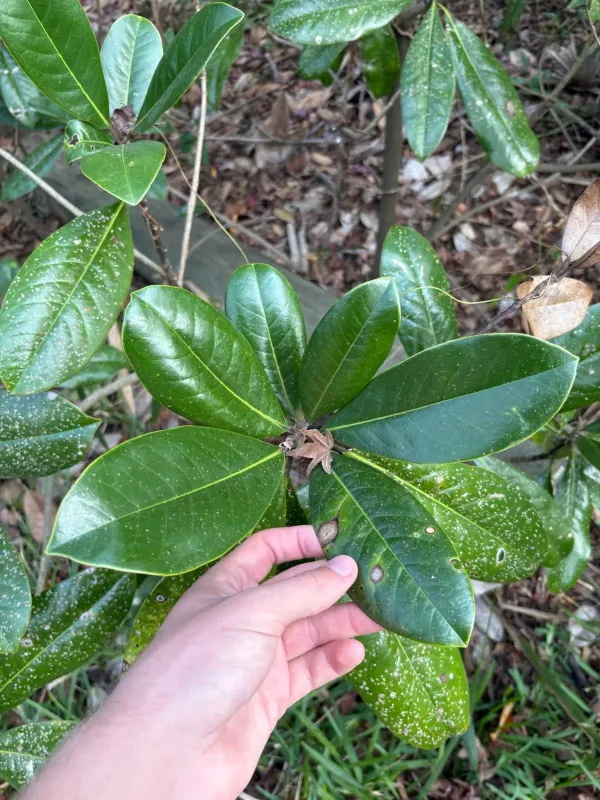
Description
Sowing dates
Propagation of the southern magnolia is commonly achieved through seeds or stem cuttings, as this tree possesses a lengthy life cycle. The optimal time for seed sowing is autumn, immediately following collection, which allows for natural stratification in the soil throughout the winter months.
When using cuttings, they are taken in mid-summer when the shoots are in a semi-hardwood phase. The cuttings are treated with rooting hormones and planted in a greenhouse environment with high air humidity to prevent the drying out of the broad leaf blades.
The freshness of the seed material is a crucial factor, as magnolia seeds lose viability rapidly due to their high content of essential oils. After collection, seeds must be cleaned of their red oily aril, washed, and stored in a cool, moist substrate until they are sown into prepared seedbeds.
Young seedlings require attentive care during their first two years of life, including necessary winter protection in temperate climates. Transplanting should not occur until at least one year after germination to ensure the integrity of the sensitive taproot system.
In commercial horticulture, vegetative propagation methods are preferred, as they allow for the preservation of cultivar traits of the parent plant, which is essential for consistent results in landscape architecture and park design.
Growing requirements
Magnolia grandiflora is a member of the Magnoliaceae family, native to the southeastern United States. In its natural habitat, it thrives in moist forest areas, along the edges of water bodies, and in well-drained fertile soils with a slightly acidic pH balance.
The tree is a heat-loving culture and is highly sensitive to extreme cold during its youth. Mature specimens can tolerate brief frosts down to -20 degrees Celsius, but for optimal growth and bloom, the tree requires a prolonged warm vegetative period.
The species has specific soil requirements: the substrate must be rich in organic matter, loose, and possess excellent drainage. Stagnant water is strictly prohibited, as it leads to the rapid decay of the tree's robust but sensitive root system.
Light exposure plays a decisive role in canopy development; the tree prefers sunny locations sheltered from cold northern winds. Under partial shade, magnolia growth slows down, and the intensity and frequency of flowering are significantly reduced.
In regions with dry climates, the magnolia requires regular watering, especially during the bud formation and flowering stages. Mulching the root zone with pine needles or peat helps maintain the necessary soil acidity and moisture levels during the summer months.
Main diseases and pests
Despite its high resistance to adverse environmental factors, Magnolia grandiflora is susceptible to several pests. Scale insects, including the magnolia scale, are frequently detected on leaves and young shoots, where they extract sap and suppress the overall health of the tree.
Spider mites pose a danger during dry spells, damaging the underside of leaves, which often leads to premature yellowing and leaf drop. To combat these pests, systematic insecticides should be applied during the active growth period.
Fungal diseases, such as leaf spot, frequently develop in conditions of excessive humidity and poor air circulation within the canopy. Affected foliage should be promptly removed and discarded to prevent the further spread of infection throughout the plant.
Bacterial canker represents a serious threat, manifesting as fissures and ulcers on the bark of the trunk and branches. Treatment of this pathology is difficult, so primary efforts must focus on prevention through maintaining plant vigor and frequent disinfection of pruning tools.
Chlorosis is a common physiological condition associated with the deficiency of micronutrients, particularly iron, when soil acidity shifts toward an alkaline range. It is corrected by applying chelated iron and adjusting the composition of the growing medium.