
Magnolia figo
Magnolia figo (Lour.) DC.
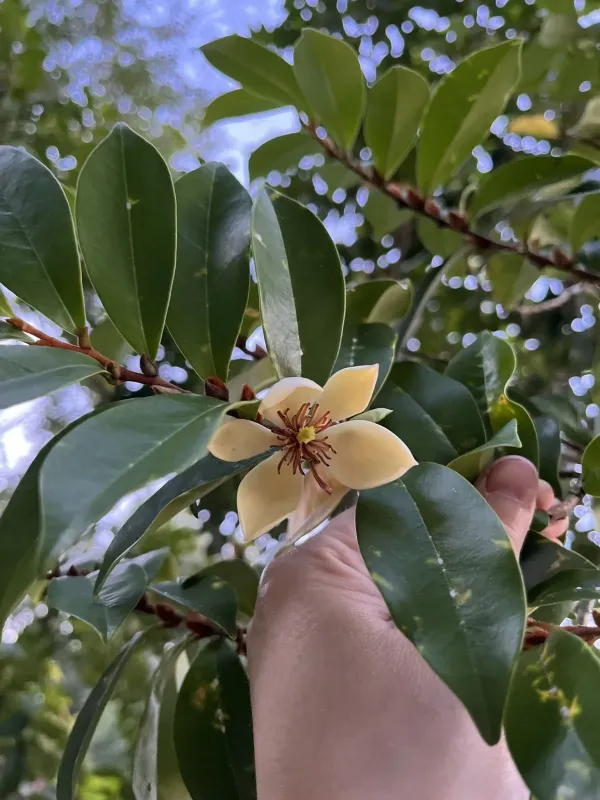
Description
Growing requirements
Magnolia figo, formerly known as Michelia figo, is a distinct evergreen shrub belonging to the Magnoliaceae family. It is widely recognized in horticulture as the "banana shrub" due to the intense, banana-like fragrance emitted by its cream-colored or light purple flowers.
This species originates from China and thrives in subtropical climates. It prefers partial shade rather than full sun, as direct exposure in hot afternoon hours can cause leaf scorching and damage to the plant's delicate floral buds.
For optimal growth, Magnolia figo requires acidic, well-draining soil rich in organic matter. Alkaline soils should be avoided, as they frequently lead to chlorosis, preventing the plant from absorbing necessary nutrients efficiently.
Consistent moisture is key to the plant's health; however, it is highly intolerant of waterlogged soil, which invites root diseases. A balanced irrigation schedule, adjusted according to the season and temperature, is essential for maintaining vigor.
In temperate zones, Magnolia figo is commonly grown in containers. This allows gardeners to move the plant indoors or into greenhouses during winter, as it is not tolerant of prolonged hard frosts or extreme freezing temperatures.
Main diseases and pests
Spider mites are common pests that thrive in the dry, warm air of indoor environments. They cause stippling on the leaves and can lead to premature defoliation if left unchecked by regular humidity monitoring.
Scale insects often colonize the undersides of leaves and stems, sucking the plant's sap and weakening its overall structure. Horticultural oils or systemic insecticides are effective measures to control these persistent pests.
Root rot is the most critical threat to Magnolia figo, usually caused by poor drainage or overwatering. Once roots begin to decay, it is often difficult to save the plant; therefore, prevention through proper substrate management is vital.
Powdery mildew may occur if the shrub is planted in an area with poor air circulation or high humidity without ventilation. Pruning to maintain an open canopy can significantly reduce the risk of this fungal infection.
Aphids occasionally infest new growth and flower buds during the spring. Early detection and the application of mild insecticidal soap are usually sufficient to clear the infestation without causing harm to the shrub.