
Tulip tree
Liriodendron tulipifera L.
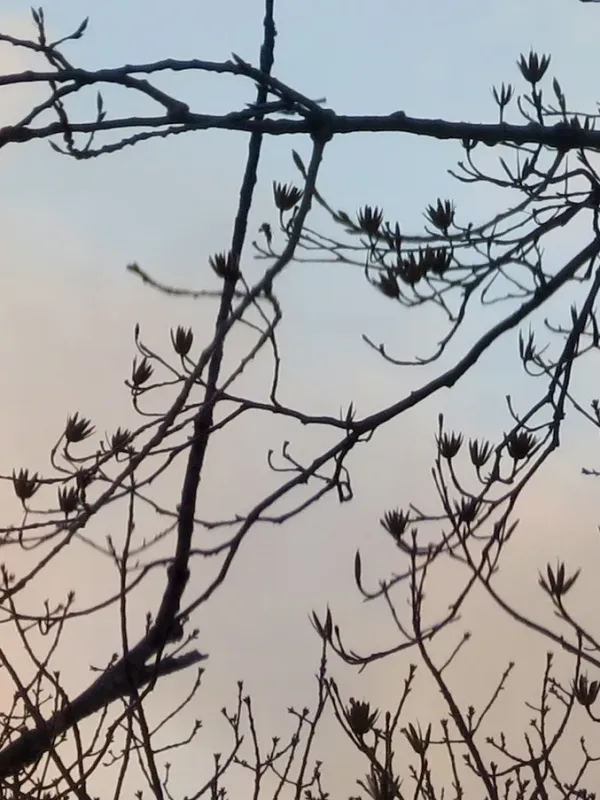
Description
Sowing dates
The propagation of Liriodendron tulipifera via seeds is a complex process due to low germination rates and the requirement for a prolonged period of stratification. Fresh seeds should be sown in autumn to allow for natural cold treatment during the winter months.
For container-grown seedlings, cold stratification in a refrigerator for at least 60–90 days is necessary before spring sowing. The seeds must be kept moist at all times, as they lose viability quickly if allowed to dry out completely.
Planting should occur in a well-draining, organic-rich potting mix at a depth of approximately 1-2 centimeters. Providing gentle bottom heat can help improve the success rate of germination in indoor controlled environments.
Seedlings develop a taproot system early on, making them sensitive to transplanting. It is highly recommended to use deep containers or sow directly into the nursery beds where they will grow for the first few seasons to minimize root damage.
In commercial nurseries, vegetative propagation using semi-hardwood cuttings is practiced. This method requires specialized misting systems and rooting hormones to encourage development, ensuring the clonal fidelity of the new plants.
Growing requirements
The tulip tree belongs to the Magnoliaceae family and thrives in deep, fertile, and moist soil. It prefers sites with slightly acidic to neutral pH levels and requires excellent drainage to avoid waterlogged conditions which are detrimental to its health.
While the species is hardy, it shows a strong preference for sunny locations, though young trees benefit from light shade to protect them from extreme midday heat. Establishing the tree in a location with protection from high winds is crucial.
Adequate soil moisture is the primary requirement for rapid growth. During the first few years of establishment, regular irrigation is essential to prevent drought stress, which can lead to premature leaf drop and stunted development.
The tulip tree does not perform well in compacted or highly alkaline soils. Amending the soil with compost or organic mulch is recommended to maintain the necessary structure and nutrient availability for the tree’s vigorous growth habit.
As a large-canopy species, Liriodendron tulipifera requires significant space for root and crown expansion. Planting in rows for timber production requires careful spacing to ensure each tree receives sufficient sunlight and air circulation.
Yield
The timber of the tulip tree, commonly referred to as yellow poplar, is highly valued for its light weight, straight grain, and ease of machining. It is a staple in the furniture industry, used for everything from cabinet carcasses to finished interior molding.
The tulip tree is also an excellent source of nectar, making it a valuable asset for beekeepers. Its flowers produce high-quality honey with a distinct flavor, and the tree is often integrated into agroforestry systems to boost local pollinator populations.
Due to its rapid growth rate, the tulip tree is a productive choice for reforestation projects in its native range. It can reach a considerable size within a few decades, offering both ecological benefits and harvestable biomass.
In addition to industrial uses, the tree is widely appreciated in landscaping for its unique tulip-shaped flowers and attractive, bright green foliage. Its ability to sequester carbon makes it an ecologically significant species in modern urban planning.
Management for wood production involves systematic thinning of plantations to prioritize the growth of dominant, high-quality stems. With proper silvicultural care, a plantation can provide a consistent and sustainable supply of timber over time.
Main diseases and pests
The most frequent health issue for Liriodendron tulipifera is powdery mildew, which manifests as a white, dusty coating on leaves. This is generally associated with poor air circulation or extended periods of high humidity during the summer season.
Aphids and scale insects are the primary pests that target the foliage and twigs. While rarely lethal to mature trees, heavy infestations can reduce the aesthetic appeal and vigor of younger plants, necessitating targeted intervention.
Root rot, caused by species like Phytophthora, is a significant threat when soil drainage is insufficient. Symptoms include wilting, chlorosis, and branch dieback, often signaling that the root environment has become compromised by oversaturation.
Preventive maintenance, including pruning damaged branches and ensuring proper site selection, is the best defense against disease. Sanitation practices, such as removing fallen leaves in autumn, help break the life cycle of many fungal pathogens.
- Regular monitoring of the canopy for signs of leaf pests.
- Mulching around the base to retain moisture without touching the trunk.
- Using balanced fertilizers to support growth and resilience.
- Ensuring proper spacing to facilitate natural air movement.