
Phoebe sheareri
Phoebe sheareri
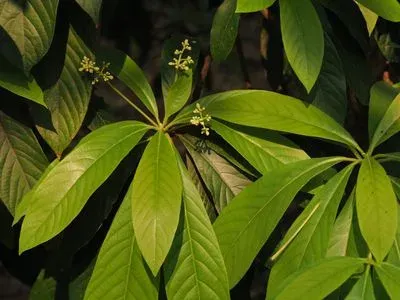
Description
Sowing dates
Phoebe sheareri is a slow-growing evergreen species that is typically propagated from seeds within controlled nursery environments. Seeds are harvested once the fruit reaches full maturity, requiring immediate cleaning of the pulp to prevent fungal contamination.
Sowing occurs primarily in the spring season when stable, warm temperatures promote vigorous germination. Some seed batches may benefit from short-term stratification to ensure uniform emergence of seedlings.
Young seedlings are highly sensitive and require shade during their early growth stages to avoid direct solar radiation damage. Maintaining consistent moisture levels in the growing medium is crucial for the development of a healthy root system.
Transplanting into the field is generally recommended after the plants have reached two to three years of age and exhibit robust physical resilience.
Planting density should be carefully planned according to intended long-term silvicultural goals, providing adequate space for individual tree growth and ensuring efficient management of the stand.
Growing requirements
Belonging to the Lauraceae family, this species thrives in subtropical forest conditions and requires high air humidity for optimal development. It performs best in regions characterized by mild winters and the absence of extreme temperature fluctuations.
Deep, well-drained, and fertile soils, such as loams or forest soils with a neutral to slightly acidic pH, are ideal. Poor drainage is a major stress factor that often leads to root rot and mortality.
This tree is shade-tolerant and frequently occupies the understory in natural habitats. Protection from strong, desiccating winds is essential to prevent structural damage to the crown and young shoots.
A moderate temperature range is required to ensure consistent growth, as extreme cold can cause dieback in apical buds, compromising the tree's form.
Mulching the root zone is a recommended cultural practice to help retain soil moisture and suppress weed competition during the early establishment phase.
Yield
The primary economic output of Phoebe sheareri is its high-quality timber, prized for its durability, attractive grain, and resistance to environmental degradation. Productivity is measured by the volume of high-quality lumber produced per hectare.
Given its slow growth rate, the rotation cycle is lengthy, often spanning several decades before the tree reaches technical maturity. Consistent maintenance, including thinning, is necessary to produce straight, high-value trunks.
Optimal yield is achieved through intensive forestry practices, such as timely pruning of lower branches and selective removal of competing vegetation.
On fertile, well-managed sites, the species exhibits steady biomass accumulation, making it an attractive long-term investment for specialized forestry operations.
Final yield quality depends heavily on the absence of pests during the growth cycle and adherence to proper silvicultural management techniques.
Main diseases and pests
The most significant threats to Phoebe sheareri plantations include root-rot diseases caused by poor drainage and fungal pathogens. Once established, these diseases can be difficult to manage.
Wood-boring insects can inflict substantial damage, reducing the commercial value of the timber by creating internal galleries. Regular monitoring is essential to catch infestations early.
Severe weather events, such as ice storms or high-velocity winds, pose a physical threat to the crown, potentially causing branch breakage and permanent deformation.
Weed encroachment represents a major challenge during the first few years after planting, as it competes directly for nutrients and space, potentially stunting seedling growth.
- Root rot (Phytophthora spp.)
- Wood-boring beetles
- Frost damage to terminal buds
- Competition from invasive weeds
Harvesting
Harvesting Phoebe sheareri is conducted once the trees reach the target stem diameter, confirmed through professional forest assessment and growth ring analysis.
Winter is considered the optimal season for logging because low sap activity ensures better timber stability and physical integrity during the drying process.
Selective logging techniques are preferred to minimize disturbance to the surrounding forest ecosystem and to provide an opportunity for natural regeneration.
Post-harvest, logs require careful processing and controlled seasoning to prevent splitting or warping, ensuring the material retains its premium characteristics.
The harvested wood is typically destined for high-end furniture manufacturing and musical instrument production due to its excellent resonance and aesthetic appeal.