
Beilschmiedia velutina
Beilschmiedia velutina
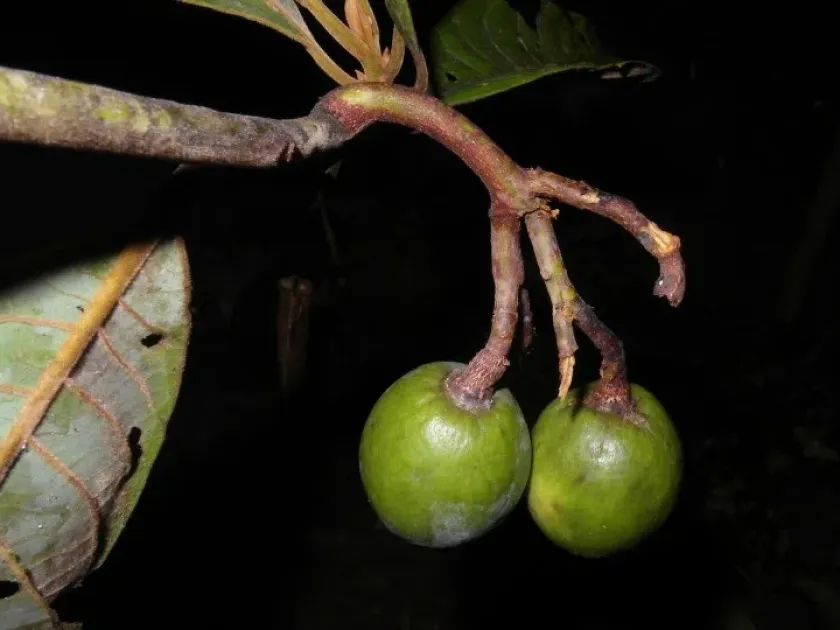
Description
Growing requirements
Beilschmiedia velutina is a tropical tree species belonging to the Lauraceae family. It is recognized for its dense foliage and typically thrives in lush, high-humidity forest environments where biodiversity is high.
The cultivation of this plant requires specific climatic conditions, primarily characterized by year-round high temperatures and significant rainfall. It prefers deep, nutrient-rich soils that provide excellent drainage to prevent root rot.
The native range of this species is spread across various tropical regions in Asia. It acts as an important component of the forest structure, contributing to the local ecosystem stability and carbon sequestration processes.
Botanically, the species is defined by the velutinous (velvety) texture of its leaves, which is an adaptation to its environment. Its growth habit is typically arborescent, reaching significant heights in maturity if environmental conditions remain favorable.
In terms of agricultural and commercial use, the primary focus is on timber production. The wood is valued for its strength and grain, often utilized in local construction projects and the manufacture of specialized wood products.
Main diseases and pests
Fungal infections remain the most significant threat to Beilschmiedia velutina, especially in environments where humidity levels fluctuate beyond the natural equilibrium. These pathogens can compromise the structural integrity of the stems and roots.
Pest management focuses on mitigating attacks from wood-boring insects. Maintaining healthy plantations and conducting periodic field surveys are essential strategies to prevent large-scale infestations that could damage timber quality.