
Beilschmiedia tawa
Beilschmiedia tawa
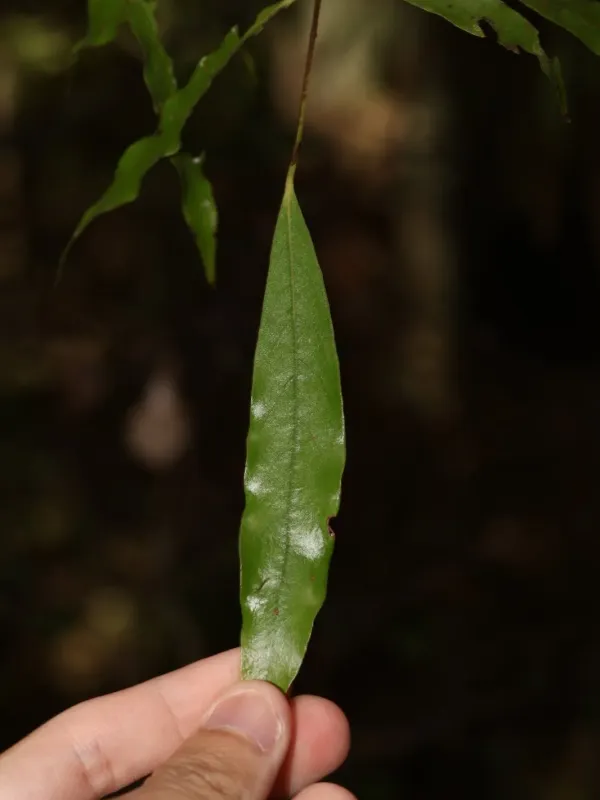
Description
Sowing dates
Beilschmiedia tawa naturally propagates through seeds, which are contained within large, dark, berry-like drupes that ripen in late summer or autumn.
Seeds are recalcitrant, meaning they lose viability quickly if allowed to dry out, so they must be sown immediately after collection into moist, well-draining soil.
The optimal germination temperature is approximately 20 degrees Celsius, requiring a consistent environment to encourage early root development.
Seedlings exhibit slow initial growth and are highly dependent on shade during their early years to survive the intense sunlight of open areas.
In nursery settings, seeds are planted in individual containers with nutrient-rich compost to facilitate the establishment of a robust root system before transplanting.
Growing requirements
As a native of New Zealand, Beilschmiedia tawa thrives in deep, fertile soils that remain consistently moist throughout the growing season.
The climate must be temperate and humid, as the species is sensitive to extreme frost and prolonged drought, both of which can lead to significant physiological stress.
Soils should be slightly acidic to neutral, containing high organic matter, which provides the necessary nutrients for the tree to maintain its evergreen canopy.
Adequate soil aeration is critical, as the roots are susceptible to rot if water stagnation occurs, particularly in low-lying areas with poor drainage.
Ideally, these trees should be grown in environments that mimic their natural forest habitat, utilizing the protection of larger canopy trees to buffer against wind.
Yield
While not a traditional food crop, Beilschmiedia tawa is highly valued for its dense, strong timber, which has been historically significant in New Zealand forestry.
Fruit production is generally heavy, providing a vital food source for native wildlife, such as the wood pigeon, which helps disperse seeds across the forest floor.
Timber yield is evaluated based on the growth rate and wood density of mature trees, which generally reach peak harvestable size over several decades.
Seed yield varies annually, often correlated with climatic conditions during the flowering season, which influences the success of cross-pollination by insects and wind.
Sustainable forestry practices focus on selective harvesting to ensure the longevity of the population while maintaining the desired yield of high-quality wood.
Main diseases and pests
The primary threats include invasive mammals like possums, which browse on the foliage and damage the bark of young, vulnerable specimens.
Pathogenic fungi can cause root rot, especially in poorly drained soils or in plantations where forest hygiene is neglected, leading to decline in tree vigor.
Defoliating insects can occasionally cause localized damage, although natural forest ecosystems generally maintain a balance that prevents large-scale outbreaks.
Climate change poses a risk by potentially increasing the frequency of summer droughts, which can weaken the trees and make them more susceptible to opportunistic pests.
Management strategies often involve monitoring and removing invasive species to reduce competition and physical damage to the Tawa trees.
Harvesting
Harvesting fruit for propagation requires manual collection at the exact time of ripeness, identified by the deep blue-black color of the drupes.
Timber harvesting is conducted through sustainable logging techniques, prioritizing the health of the surrounding ecosystem and selective removal of mature trees.
Post-harvest, the wood requires controlled seasoning to prevent warping and cracking, ensuring the final material maintains its structural integrity.
Seed processing involves cleaning the fleshy outer layer from the fruit and maintaining high moisture levels in storage until the moment of planting.
When harvesting, it is essential to leave a portion of the fruit crop for local fauna, supporting the overall biodiversity of the forest ecosystem.