
Beilschmiedia pendula
Beilschmiedia pendula
Description
Growing requirements
Beilschmiedia pendula is an evergreen tree species belonging to the Lauraceae family. Known for its significant ecological role, it thrives in dense tropical forest environments where humidity and temperature remain consistent throughout the year.
The native distribution covers vast regions of Central and South America. These trees typically grow in low-to-mid elevation forests, contributing to the structural complexity of the forest canopy and providing essential habitat for local wildlife.
Regarding cultivation requirements, the species demands deep, nutrient-rich soils with excellent drainage. Although it requires high moisture levels, the roots are susceptible to rot if water stagnation occurs, necessitating well-drained slopes or humic soils.
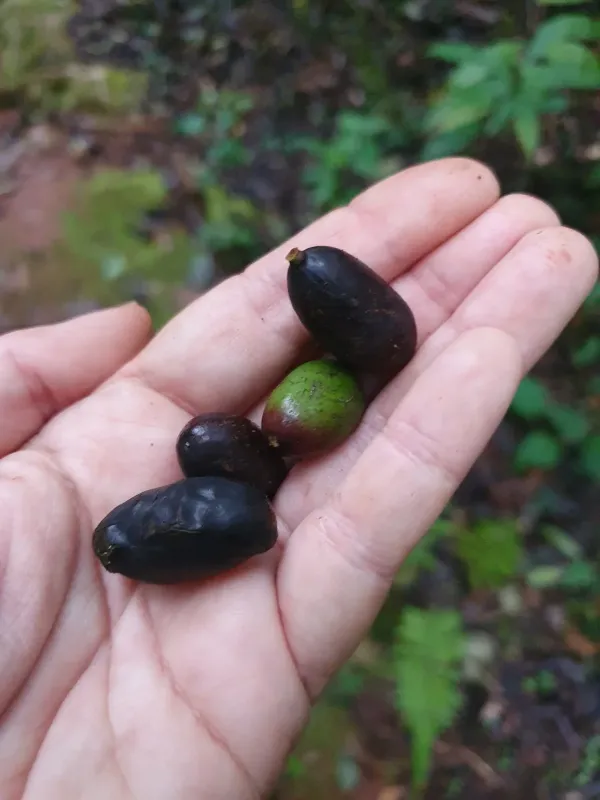
Botanically, the tree features leathery, alternate leaves and produces small, inconspicuous flowers that develop into fleshy fruits. These fruits are a vital food source for various birds and mammals, facilitating the natural regeneration of the species.
In terms of economic use, the timber is prized for its durability and structural properties. It is often utilized in local construction and furniture making, provided that harvesting practices are managed sustainably to ensure the longevity of the population.
Main diseases and pests
Major threats to the species include fungal infections that thrive in high-humidity microclimates. Managing fungal pathogens involves maintaining canopy health and ensuring adequate spacing between trees to prevent the rapid spread of spores.
Insect pests such as leaf miners and wood-boring beetles present potential risks to the growth of young saplings. Biological control measures are generally preferred in forest management to preserve the local ecological balance and support natural predators of these pests.