
Beilschmiedia obtusifolia
Beilschmiedia obtusifolia
Description
Growing requirements
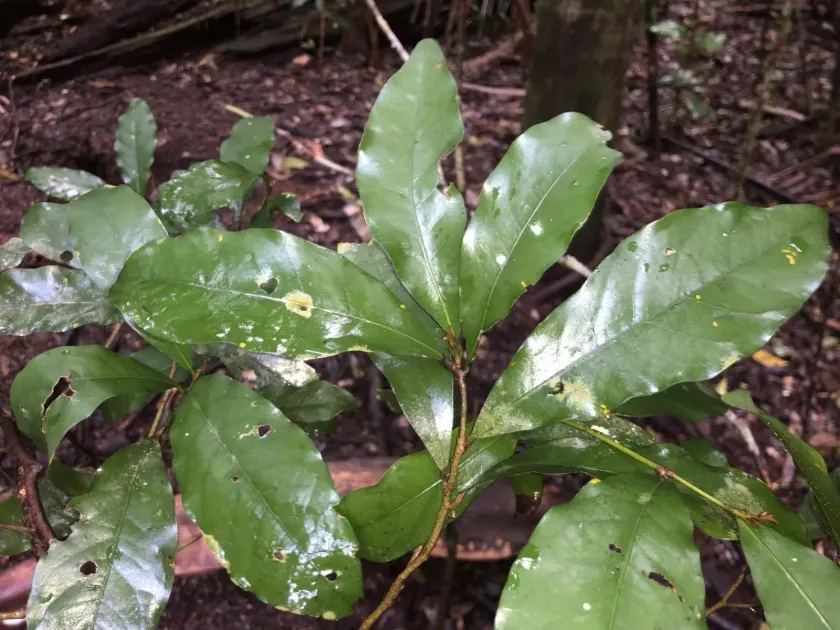
Beilschmiedia obtusifolia is a notable tree species belonging to the Lauraceae family. Known for its presence in the upper canopy of lush tropical and subtropical rainforests, it serves as a keystone species within its native habitats.
The species is primarily native to the coastal rainforest regions of Australia, including parts of Queensland and New South Wales. It flourishes in areas characterized by high humidity and consistent annual rainfall, which are essential for its physiological processes.
Regarding soil requirements, this tree prefers deep, fertile substrates with excellent drainage. It is highly intolerant of waterlogged conditions, which can lead to rapid root decay and stunted development, especially in saplings.
Environmental conditions for successful cultivation include protection from harsh, drying winds and direct, intense sunlight during the early stages of the plant's life cycle. Shade-grown saplings typically exhibit healthier growth patterns in nursery settings.
Propagation is generally achieved through seeds. Because the seeds are recalcitrant and lose viability quickly, they must be sown immediately after collection. Maintaining a stable, high-moisture environment is crucial to ensure a successful germination rate.
Yield
The primary economic output of Beilschmiedia obtusifolia is its high-quality hardwood. The timber is highly valued in the furniture and cabinetry industries due to its attractive grain, durability, and natural resistance to various types of wood-boring pests.
Sustainable forestry practices are essential when managing this species, as its growth rate is relatively slow compared to commercial softwoods. Effective forest management ensures the continued availability of this valuable biological resource.
Beyond timber production, the tree supports local biodiversity. Its fruit provides a critical food source for numerous tropical bird species, making it an excellent candidate for forest restoration and ecological rehabilitation projects.
Yield metrics, specifically the volume of high-grade logs per hectare, depend heavily on local site quality and silvicultural interventions. Proper spacing and thinning techniques can significantly improve the final quality of the timber produced.
Recent investigations have suggested that chemical compounds found in the bark and leaves may hold potential for medicinal applications. While currently experimental, these properties underscore the plant's multi-faceted importance beyond structural wood use.
Main diseases and pests
The primary threats to Beilschmiedia obtusifolia include root rot pathogens, which thrive in poorly drained soils. These fungal infections are particularly destructive during the early establishment phase in nursery-raised seedlings.
Leaf-chewing insects can significantly impact young foliage, potentially reducing the photosynthetic capacity of the tree. Implementing an integrated pest management strategy is highly recommended for commercial nurseries to minimize reliance on heavy chemicals.
Climate change poses a long-term threat to the species, particularly regarding the alteration of natural rainfall patterns. Increased frequency of extreme heat events can stress the tree, making it more susceptible to opportunistic diseases and pests.
Habitat fragmentation remains the most critical anthropogenic threat to wild populations. As corridors between forest patches disappear, the natural gene pool faces degradation, emphasizing the need for active conservation and reforestation efforts.
General maintenance practices, including the prompt removal of infected plant tissue and ensuring adequate canopy spacing, are vital to controlling the spread of disease within forest plots. Vigilance during the initial stages of planting significantly increases survival rates.