
Beilschmiedia miersii
Beilschmiedia miersii
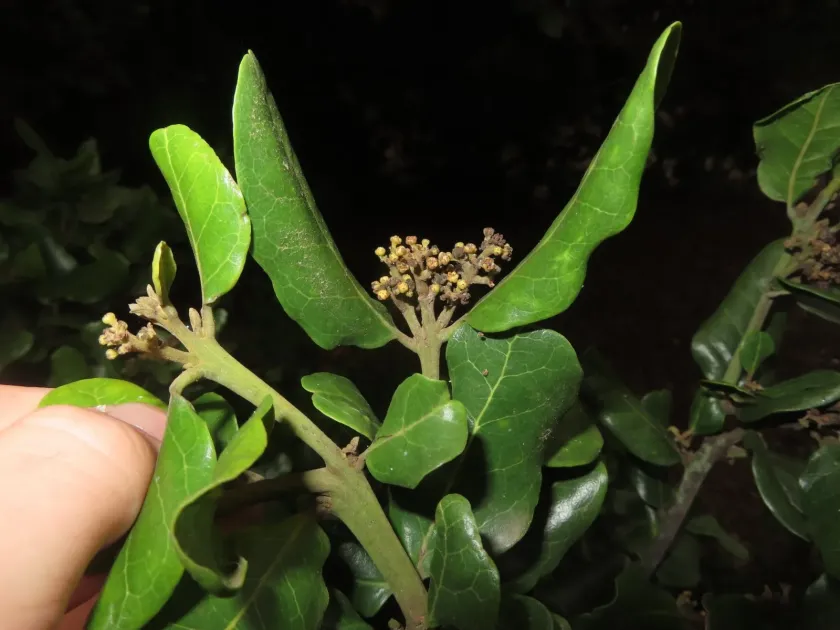
Description
Sowing dates
Propagation of this species in its natural environment occurs primarily through seeds. The fruit, being a drupe, requires specific conditions for germination, including consistent substrate moisture.
Under nursery conditions, seeds are sown immediately after collection, as they lose viability rapidly if allowed to dry out. Stratification of the seed material helps to improve germination rates and uniformity.
The optimal time to begin cultivation is during the spring, when night temperatures become stable and warm. The sowing medium should be light, well-draining, and rich in organic matter.
Young seedlings require protection from direct sunlight during their first months of growth. Once they reach a height of 30-40 centimeters, they can be transplanted to their permanent outdoor location.
The growth rate of the seedlings remains moderate during the early years. It is recommended to maintain a spacing of at least 4-5 meters between plants to ensure proper development of the root system.
Growing requirements
Beilschmiedia miersii belongs to the Lauraceae family and is an endemic evergreen tree native to central Chile. For successful development, the crop requires a mild Mediterranean climate with distinct seasonal rainfall.
The tree prefers deep, well-drained soils with a neutral to slightly acidic pH. It is essential to avoid sites with waterlogging, as the root system is sensitive to excess moisture and the development of root rot.
The optimal temperature range for vegetation is between 15 and 25 degrees Celsius. The crop shows moderate resistance to light frosts but can suffer damage from prolonged low temperatures.
The plant is well-adapted to semi-shaded environments, making it suitable for inclusion in forest stands or as an ornamental element in landscaping. Regular irrigation is necessary during periods of high sun exposure.
A crucial agronomic requirement is maintaining constant soil moisture, especially during the early years of the tree's life. Mulching around the base helps retain moisture and inhibits weed growth.
Yield
The economic value of Beilschmiedia miersii lies in the production of high-quality wood, which is known for its density and durability. Its use in forestry contributes to ecosystem restoration.
The fruits of the tree contain oils that are of interest for further study in the pharmaceutical and cosmetic industries. However, fruit yield depends heavily on the age of the tree and environmental factors.
Regular sanitary pruning helps in forming a straight trunk and improves the yield of valuable timber. In commercial forest settings, the average biomass increment requires a long cultivation cycle.
The value of the crop also lies in maintaining biological diversity in its natural range. This makes the plant a key component in projects aimed at restoring degraded forest landscapes.
The industrial potential of the wood is limited by the tree's slow growth, which necessitates a balanced and long-term approach when planning forestry plantations.
Main diseases and pests
Typical threats for members of the Lauraceae family include fungal diseases affecting the root collar. If irrigation management is poor, the risk of phytophthora infection increases significantly.
Trees may be subject to attacks by sucking insects, such as aphids or scale insects, which weaken the plant's immune system. Regular monitoring of the foliage allows for early intervention against pest outbreaks.
In the wild, young shoots are often grazed by herbivores, requiring protective fencing during the initial years of cultivation. Bark damage can create entry points for secondary infections.
Wood-boring pests can pose a serious threat to mature specimens. Utilizing biological control methods is preferred over the use of broad-spectrum chemical pesticides.
Disease prevention includes maintaining high agronomic standards, timely removal of infected plant parts, and ensuring optimal planting density to promote air circulation within the canopy.