
Actinodaphne sesquipedalis
Actinodaphne sesquipedalis
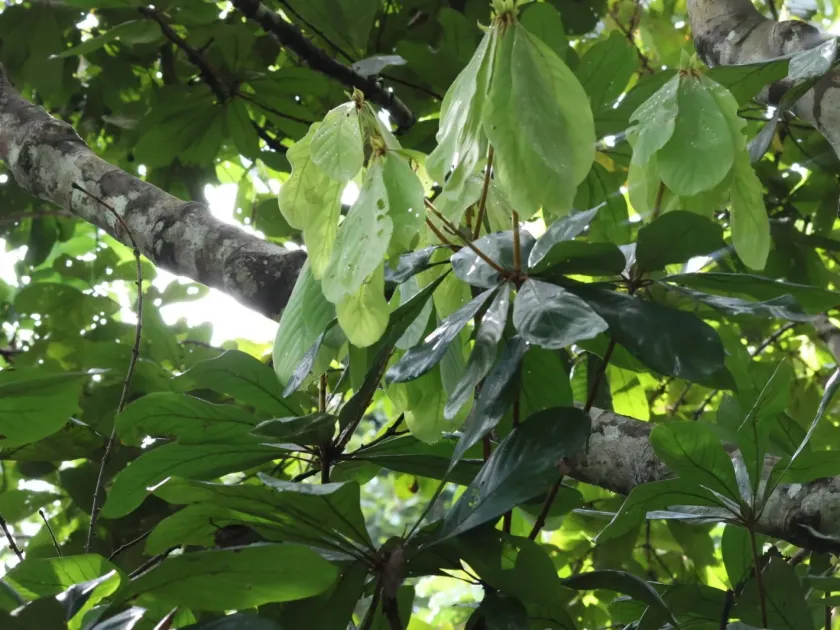
Description
Growing requirements
Actinodaphne sesquipedalis is an evergreen woody plant belonging to the Lauraceae family. It is native to the tropical regions of Southeast Asia, thriving in lush environments where moisture levels remain consistently high throughout the year.
The plant grows best in nutrient-rich, well-draining soils that prevent waterlogging. It is particularly sensitive to soil chemistry and prefers environments that mimic the floor of a primary rainforest with stable organic debris layers.
Temperature requirements for this species are strict, necessitating a tropical climate with a range of 22 to 28 degrees Celsius. The species does not survive in frost-prone regions and requires shelter from strong, drying winds.
Water management is critical during the initial establishment phase of the plantation. Regular, moderate irrigation is preferred over flooding to maintain the necessary soil moisture balance for deep root growth.
The plant adapts to varying light conditions but shows optimal photosynthetic efficiency when provided with dappled sunlight. Dense shade may inhibit growth, while intense direct sun may cause leaf scorching in young specimens.
Harvesting
The primary economic interest in Actinodaphne sesquipedalis lies in the extraction of essential oils from its leaves and bark. These oils are prized for their complex aromatic profile and potential use in industrial fragrance applications.
Harvesting involves the careful pruning of mature branches, a method that promotes lateral vegetative growth. This sustainable practice ensures that the tree continues to provide yield over multiple seasons.
Post-harvest processing involves air-drying the biomass in dark, temperature-controlled facilities. This step prevents the degradation of volatile organic compounds essential for the oil's final quality.
The timing of the harvest is usually determined by the maturation cycles of the leaves. Agronomists recommend monitoring the essential oil content levels periodically to identify the peak yield window for each specific planting site.
Storage of the processed leaves must be performed in moisture-resistant containers to protect the fragile compounds from oxidative stress, ensuring longevity and consistency of the harvest.