
Actinodaphne rumphii
Actinodaphne rumphii
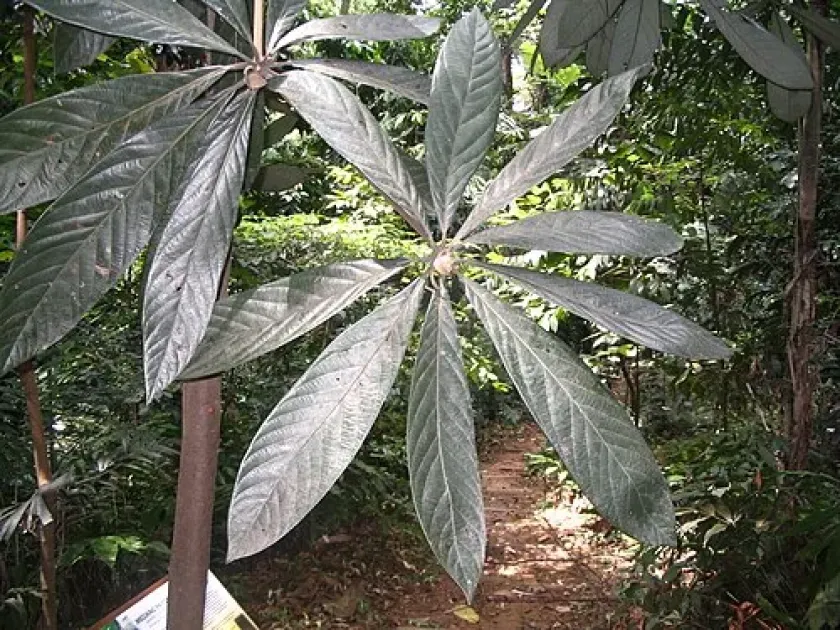
Description
Growing requirements
Actinodaphne rumphii is a notable evergreen tree belonging to the Lauraceae family. Native to the tropical rainforests of Southeast Asia and the Malay Archipelago, this species thrives in humid and warm environments.
The plant requires a tropical climate with consistent temperatures to remain healthy. In non-tropical regions, it must be grown in specialized greenhouses where climate control can prevent cold stress and maintain high air humidity levels.
Soil requirements for this culture include fertile, well-draining substrates with a slightly acidic to neutral pH. Proper soil structure is essential to prevent waterlogging, which the root system of Actinodaphne rumphii cannot tolerate.
Exposure to direct, intense sunlight can damage the leaves, so the plant prefers bright, filtered light or partial shade. Young trees are particularly sensitive and require protection from harsh winds and dehydration.
Cultivation practices involve regular moisture management and steady application of organic fertilizers. Proper propagation is typically achieved through seeds or cuttings under high-humidity conditions to ensure successful establishment.
Yield
The economic use of Actinodaphne rumphii is mainly focused on its chemical constituents, particularly essential oils. These extracts have potential applications in traditional medicine and the pharmaceutical industry due to their biological activity.
The wood of the tree is occasionally used in artisanal crafts, although it is not a primary source of industrial timber. The plant's value is more concentrated in its secondary metabolites found in the leaves and bark.
Yields of biomass are strongly correlated with light availability and optimal nutrient supply. Controlled environment agriculture allows for better regulation of these parameters to maximize the production of specialized botanical compounds.
Harvesting for medicinal or chemical use should occur during periods when the plant's metabolic activity is optimized for oil production. Carefully timed harvesting helps ensure the highest quality of raw material.
Ongoing research explores the potential of selecting specific clones that demonstrate higher yields of terpenoids and other valuable secondary metabolites for commercial processing.
Main diseases and pests
Fungal diseases are the primary threat to this plant, often triggered by excessive moisture in the soil and poor airflow within the canopy. Root rot can be fatal if drainage is not correctly maintained.
Scale insects and spider mites are frequent pests in controlled greenhouse environments. They deplete the plant by sucking nutrients from the leaves, resulting in stunted growth and chlorosis.
Integrated pest management, including systemic insecticides and biological controls, is highly recommended. Regular cleaning of the foliage helps prevent the build-up of pests and associated fungal issues like sooty mold.
Aphid infestations on new shoots can also cause significant damage if left unchecked. Early detection through regular monitoring of leaf undersides is essential to prevent large-scale outbreaks.
Environmental stress, such as high salt concentration in irrigation water, can cause tip burn on the leaves. Monitoring water quality is a critical aspect of maintaining the long-term health of the culture.