
Actinodaphne macrophylla
Actinodaphne macrophylla
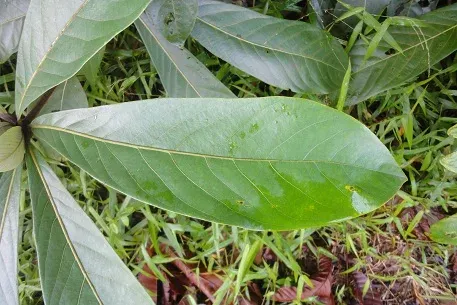
Description
Growing requirements
Actinodaphne macrophylla is a significant tree species belonging to the Lauraceae family. Native to the tropical regions of Southeast Asia, this plant thrives in humid environments where rainfall is consistent throughout the year, supporting its evergreen growth habit.
The cultivation of this crop requires nutrient-rich, well-draining soils with a slightly acidic to neutral pH. It is essential to maintain high soil fertility, as the species relies on readily available minerals to produce its characteristic large, leathery leaves which are rich in secondary metabolites.
Climate requirements involve year-round warmth, as the tree is not frost-tolerant and will suffer severe damage if exposed to temperatures below 10-15 degrees Celsius. Protection from high-velocity winds is also necessary to preserve the integrity of the foliage and structural health of the branches.
Botanically, the species is recognized for its dense canopy and the presence of volatile oils, which are subjects of ongoing research for potential industrial applications. Its reproductive cycle relies on specific humidity levels for seed germination and seedling establishment in nursery settings.
Economic uses of Actinodaphne macrophylla are primarily medicinal and pharmacological, as extracts from the leaves and bark have demonstrated potential antimicrobial properties. The timber is also occasionally utilized in localized construction, although the plant is mostly valued for its phytochemical content.
Main diseases and pests
The primary threats to this culture include root rot pathogens, which flourish in waterlogged conditions and poorly drained soils. Furthermore, infestations by scale insects and spider mites can significantly reduce plant vigor during periods of low humidity or drought stress.