
Actinodaphne glomerata
Actinodaphne glomerata
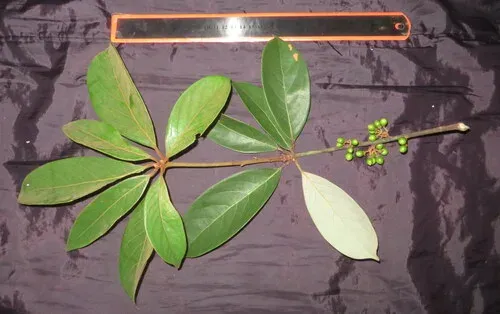
Description
Growing requirements
Actinodaphne glomerata is a representative of the Lauraceae family, widely distributed in the tropical forests of South-East Asia and parts of the Pacific region.
The tree prefers habitats with high annual rainfall and consistent, warm temperatures throughout the year, typically found in evergreen mountain forests.
For successful growth, this species requires deep, well-draining soil rich in humus, which ensures sufficient nutrient availability for its moderate annual growth rate.
In agroforestry systems, providing partial shade is crucial during the early stages of development, as direct harsh sunlight can damage young leaves and slow development.
The cultural requirements are strictly linked to avoiding soil compaction and waterlogging, as the root system of this species is sensitive to anaerobic conditions.
Harvesting
The primary economic use of this species is centered on its timber, which is appreciated for its structural properties in local furniture making and interior joinery.
Traditional practices include the harvest of leaves and bark, which are often utilized in regional herbal preparations due to their specific chemical compounds.
Harvesting is typically conducted through sustainable forestry techniques, emphasizing the selection of mature trees to allow younger generations to replenish the forest canopy.
The collection of seeds and fruits requires careful timing to ensure high germination rates if the material is intended for propagation in botanical or commercial nurseries.
Proper post-harvest handling is essential to maintain the quality of timber, involving systematic drying processes to prevent warping and degradation of the wood fibers.