
Actinodaphne albifrons
Actinodaphne albifrons
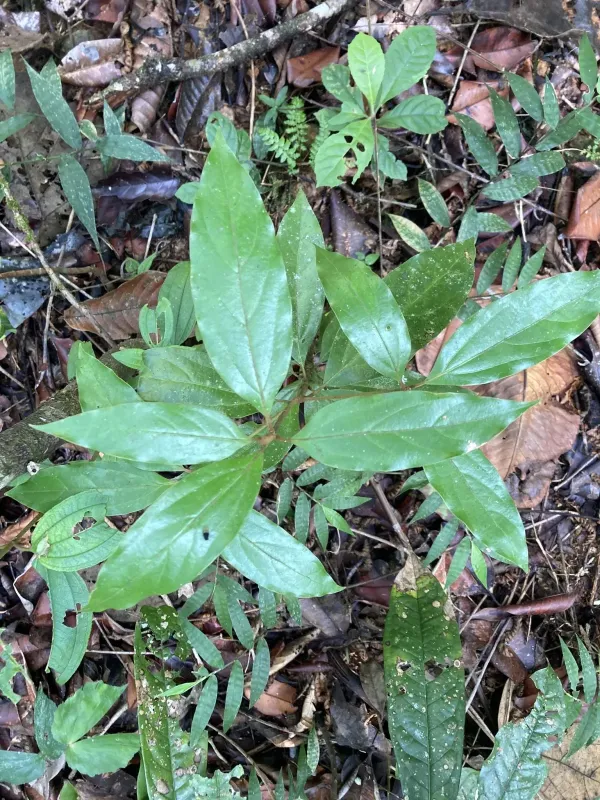
Description
Growing requirements
Actinodaphne albifrons belongs to the Lauraceae family, which is well-regarded for its botanical diversity and high economic value in various industries. This species is native to humid tropical regions where it thrives under the forest canopy.
Cultivation requirements for this species include high atmospheric humidity and consistent thermal conditions. It is essential to replicate the natural ecosystem as closely as possible to maintain healthy physiological processes within the tree.
The soil profile should be deep, well-draining, and rich in organic matter to support the robust growth of Actinodaphne albifrons. Preventing water stagnation is the most critical factor in avoiding fungal pathogens in the root zone.
Regarding light, this species prefers filtered sunlight. Excessive exposure to direct ultraviolet radiation can scorch the leaves and significantly inhibit the growth rate of young specimens.
Standard agrotechnical care involves periodic fertilization with balanced NPK formulas, specifically during the active growing season. Regular inspection for early signs of nutrient deficiency or moisture stress is vital for commercial plantation management.
Harvesting
Harvesting strategies for Actinodaphne albifrons are centered on the sustainable collection of leaves and bark. These parts are highly valued for their phytochemical content, which is extracted for use in medicine and traditional products.
The timing of the harvest is determined by the species' vegetative growth stages. Experienced agronomists identify the peak concentration of essential compounds before initiating the collection of leaf material.
The timber obtained from this tree is characterized by its durability and unique appearance, making it suitable for specialized woodcraft. Harvesting of wood must be performed in strict accordance with environmental conservation guidelines.
Post-harvest management involves immediate processing to prevent oxidation of valuable plant extracts. Proper drying and packaging ensure the longevity and potency of the botanical material collected from the field.
Quality control during the harvest process is implemented through systematic sampling of batches. Ensuring the integrity of the collected biomass allows for consistent quality in the final supply chain for high-value botanical markets.