
Sinowilsonia henryi
Sinowilsonia henryi
Description
Growing requirements
Sinowilsonia henryi is a unique deciduous tree belonging to the Hamamelidaceae family, native to the forest regions of central and western China. It is highly valued for its rarity and distinctive appearance, often serving as a focal point in specialized arboretums.
This species requires rich, moist, and well-drained soils to thrive. It performs best in conditions that mimic its natural mountain habitat, providing steady soil moisture throughout the growing season while ensuring that water does not pool around the roots.
Environmental conditions should include partial shade to protect the foliage from intense direct sunlight, especially in mid-summer. Protection from harsh, cold winds is essential to prevent damage to young branches and ensure consistent annual growth patterns.
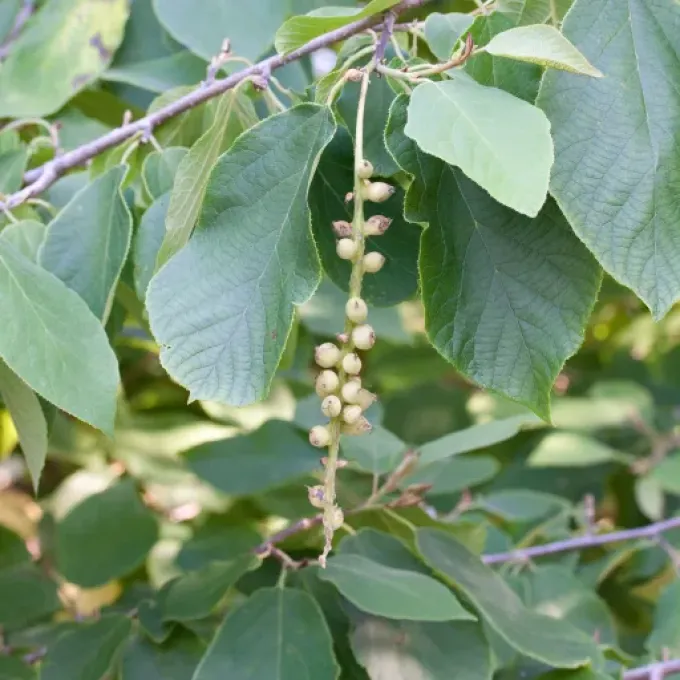
Botanically, the plant is characterized by its broad, hazel-like leaves and unique flower clusters that appear in spring. The flowers are small but botanically significant, often presenting in long, hanging spikes that provide an exotic flair to the landscape.
Its primary use is purely ornamental, aimed at enhancing the biodiversity and aesthetic appeal of large-scale botanical gardens and parklands. Its slow-growing nature makes it an excellent candidate for long-term landscaping projects requiring minimal structural pruning.
Main diseases and pests
Sinowilsonia henryi is generally robust and resistant to most major agricultural pests. However, in poorly ventilated spaces, the plant can occasionally suffer from aphids, which are easily managed with standard horticultural oil sprays or biological controls.
Fungal issues, such as root rot, are the most significant threats to this species, usually caused by poor drainage or overwatering. Maintaining a porous soil structure is the most effective preventative measure against these soil-borne pathogens.
Leaf spot diseases may occasionally appear if the summer season is exceptionally humid with prolonged rainfall. Proper spacing and airflow are critical to ensure that the foliage remains dry and healthy throughout the year.
Cold snaps that occur late in the spring can cause frost damage to tender new growth. Protecting the plant during the initial phases of bud break is a common strategy employed by gardeners in cooler temperate climates to ensure a successful season.
Regular sanitation, including the removal of dead or crossing branches, is necessary to maintain the plant's health. Clean cuts during pruning help avoid the introduction of opportunistic infections, ensuring the plant remains vigorous for years to come.