
Japanese witch-hazel
Hamamelis japonica
Description
Growing requirements
Japanese witch-hazel (Hamamelis japonica) is a deciduous shrub belonging to the Hamamelidaceae family. Native to the mountainous forests of Japan, it is widely prized for its ornamental value in temperate regions.
The plant thrives in fertile, well-drained soil with a slightly acidic to neutral pH. It is crucial to avoid heavy clay soils that retain excessive water, as the root system is highly sensitive to waterlogging.
It prefers full sun to partial shade conditions. While it is hardy, planting it in a location sheltered from harsh, drying winds helps to protect the delicate flower buds that form during the late winter months.
Proper cultivation involves consistent moisture, especially during the first few growing seasons. Mulching the base of the plant with organic matter helps retain moisture and provides the nutrients necessary for vigorous growth.
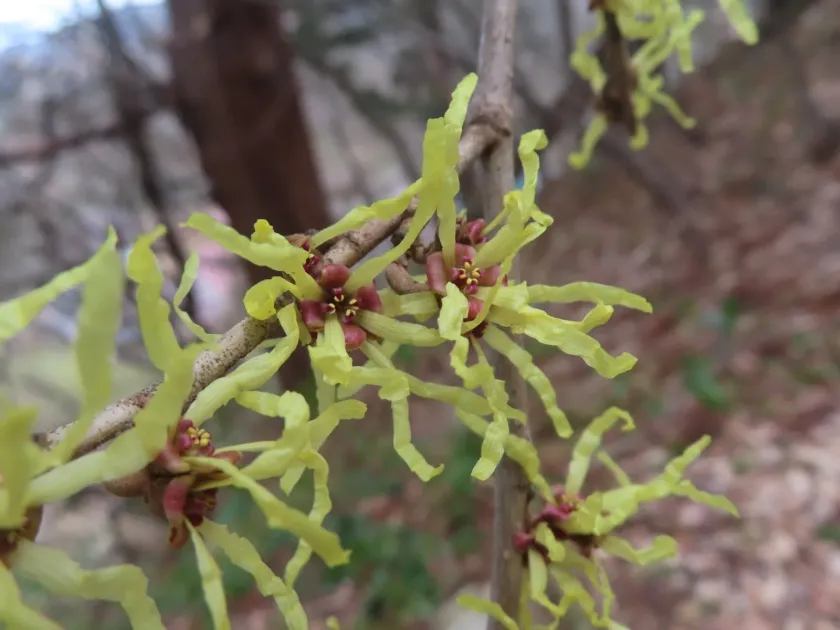
The plant is biologically unique due to its winter-flowering habit. The spidery, fragrant flowers emerge on bare branches, creating a striking contrast against the often dormant winter landscape.
Main diseases and pests
Japanese witch-hazel is generally robust, but it can be susceptible to fungal diseases such as powdery mildew or leaf spot, especially in areas with high humidity and poor air circulation.
Pests like aphids and leaf rollers may occasionally target the foliage. Regular inspection of the plant's leaves during the spring and early summer allows for early intervention before the infestation spreads.
To prevent disease transmission, avoid overhead watering, which keeps foliage wet and promotes fungal growth. Instead, focus on root-zone irrigation to keep the leaves dry and healthy.
Pruning should be done cautiously, preferably immediately after flowering. Improper or aggressive pruning can lead to "bleeding" of sap and increase the vulnerability of the plant to wood-rotting fungi.
Maintaining a balanced ecosystem in the garden, including the presence of beneficial insects, can significantly reduce the need for chemical pest control in the maintenance of your witch-hazel specimens.