
Fothergilla gardenii
Fothergilla gardenii
Description
Growing requirements
Fothergilla gardenii, commonly known as the dwarf fothergilla, is a deciduous shrub belonging to the Hamamelidaceae family. Native to the southeastern United States, it thrives in environments characterized by acidic, moist, and well-drained soils, typically found in woodland margins.
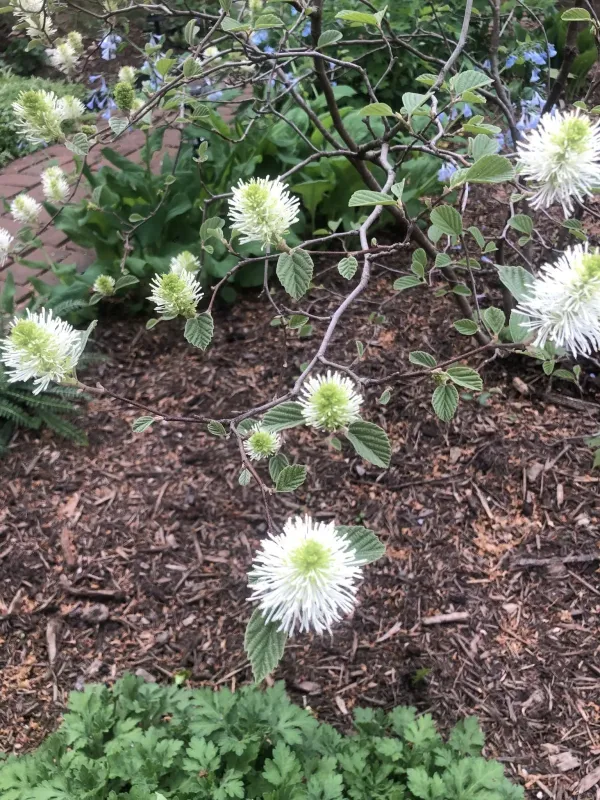
Botanically, this shrub is prized for its slow growth and dense, compact habit, rarely exceeding 3 feet in height. It is renowned for its distinctive, fragrant, white bottlebrush-like flowers that appear in early spring, often preceding the emergence of dark green leaves.
The plant requires acidic soil conditions to flourish. If the soil pH is too high, the plant will struggle to absorb nutrients, leading to stunted growth. Incorporating organic matter such as peat moss or leaf mold during the planting process is highly recommended.
Exposure requirements include full sun to partial shade. While it tolerates sunny locations, in regions with very hot summers, afternoon shade is beneficial to prevent leaf scorch and ensure the soil remains consistently cool and moist.
Watering is a critical component of the shrub's success, particularly for young specimens. Maintaining uniform soil moisture is essential; however, the soil must remain aerated, as waterlogged conditions quickly lead to root decline.
Main diseases and pests
Fothergilla gardenii is generally free from major pests and diseases. The most common cultural issue is chlorosis, which presents as yellowing leaves caused by iron deficiency, usually triggered by alkaline soil conditions rather than true disease.
Root rot is the primary threat associated with poor drainage. Once established in soil with poor percolation, the roots become susceptible to various soil-borne pathogens, making correct site selection vital for longevity.
Occasional infestations of aphids may occur on the tender new growth during spring. While these insects rarely kill the plant, they can cause aesthetic damage and attract secondary fungal growth like sooty mold.
Spider mites are potential pests during periods of prolonged drought and low humidity. Monitoring the underside of leaves and providing adequate irrigation can effectively mitigate the risk of mite outbreaks.
To keep the plant healthy, avoid mechanical damage to the shallow root system during weeding. Applying a layer of mulch will help regulate soil temperature and inhibit the growth of competitive weeds that could stress the shrub.