
Distylium stellare
Distylium stellare
Description
Growing requirements
Distylium stellare is a species of evergreen shrub or small tree belonging to the family Hamamelidaceae. Native to the humid forests of Southeast Asia, including the Philippines, this plant has evolved to thrive in environments with consistent moisture and protection from harsh environmental stressors.
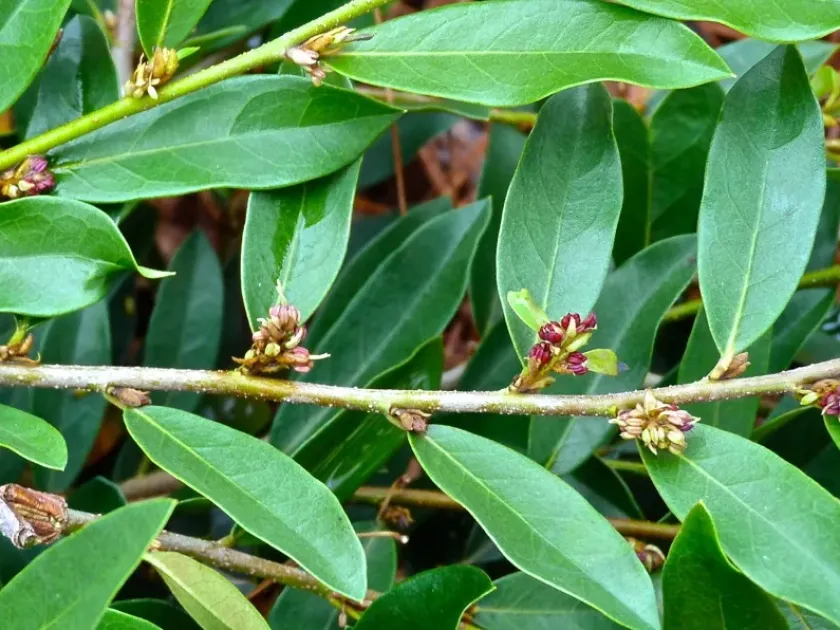
The botanical structure of the plant features dense foliage consisting of leathery leaves that persist throughout the year. Its most notable characteristic is the inflorescence, which lacks traditional petals but displays striking, thread-like stamens that give the plant its distinct aesthetic appeal during the bloom phase.
Successful cultivation of this species requires well-draining, slightly acidic to neutral soil that is rich in organic matter. While the plant is resilient, it cannot tolerate waterlogged conditions, making the installation of proper drainage systems essential in heavy clay or compact soils.
In terms of climate, the plant performs best in sub-tropical zones but can adapt to protected areas in temperate gardens. It thrives in locations with partial shade, which mimics its natural habitat under the canopy, though it remains quite adaptable to changing light levels as it matures.
Economically, Distylium stellare is highly valued in the nursery and landscaping industry for its structural integrity and pest resistance. It is frequently employed in urban greening projects, hedge formation, and as a formal topiary specimen due to its ability to withstand frequent pruning.
Main diseases and pests
The primary health threats to this shrub include fungal issues like leaf spot, particularly in humid, non-ventilated environments. Maintaining proper spacing and canopy hygiene through regular pruning is considered the best preventive measure against pathogen spread in commercial plantations.
In sheltered or indoor conditions, pests such as spider mites and scales may occur. Agronomists recommend a monitoring program involving regular visual inspection of the foliage, supplemented by integrated pest management (IPM) strategies to ensure long-term health of the specimens.