
Dryobalanops lanceolata
Dryobalanops lanceolata
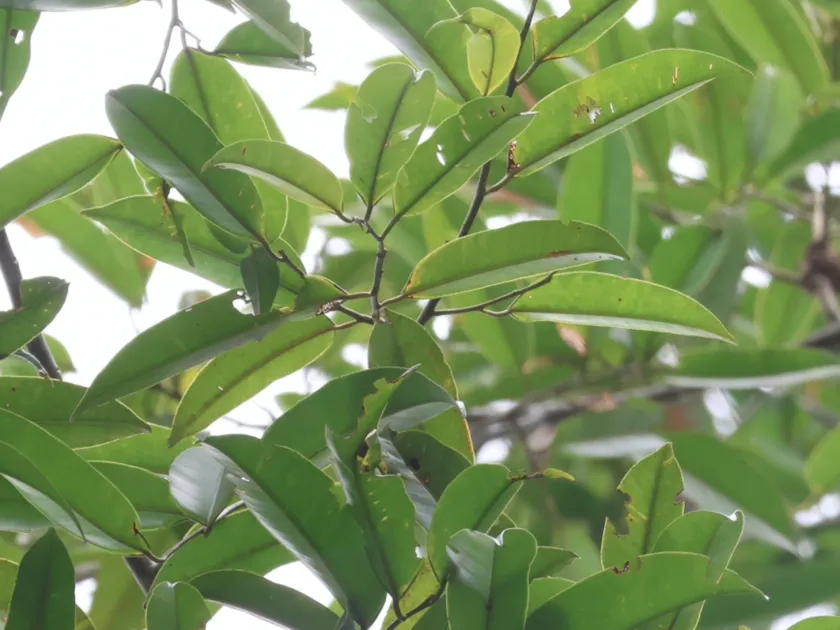
Description
Sowing dates
Dryobalanops lanceolata propagation primarily relies on fresh seeds, which exhibit extremely short-lived viability and must be sown immediately after collection.
Nursery practices involve planting seeds in rich, well-draining substrates to ensure high germination rates and robust root development for the seedlings.
Seedlings are typically kept in shaded environments to simulate the understory conditions of a tropical rainforest during their initial growth phases.
Transplanting to the field is generally timed to coincide with the onset of the wet season, ensuring that the young trees have sufficient moisture for establishment.
Successful plantation management requires meticulous monitoring of seedling health, as the plants are highly sensitive to sudden changes in environmental conditions.
Growing requirements
The species is strictly adapted to tropical lowland climates, requiring stable high temperatures and consistent high humidity throughout the entire year.
It flourishes in deep, fertile soils that provide excellent drainage, as the species is sensitive to waterlogged conditions that can cause root decay.
While seedlings prefer the dappled light of the forest floor, mature trees require significant light exposure to achieve their full growth potential.
Effective growth depends on the availability of organic-rich soil profiles that support the dense network of fine roots typical for the Dipterocarpaceae family.
Microclimate management is essential in plantations to avoid desiccation, as the species relies on high atmospheric moisture to maintain internal physiological processes.
Yield
The economic value of this tree is largely derived from its high-quality timber, which is highly prized for its density and durability in structural applications.
Compared to other hardwood species in its natural habitat, it shows significant biomass accumulation, making it a key candidate for sustainable forestry.
The wood has excellent workability characteristics, which has led to its extensive use in fine furniture manufacturing and high-end cabinetry production.
Productivity levels in plantations are optimized by thinning operations that provide the most vigorous trees with necessary nutrients and space for development.
Sustainable harvesting cycles generally span several decades, ensuring that the timber meets the specific density and texture requirements of the global market.
Main diseases and pests
The primary biotic threats include various specialized tropical pests that target the foliage, significantly affecting the tree's photosynthetic capacity.
Root rot pathogens are a persistent concern in plantation settings, especially when drainage is inadequate or when trees are stressed by adverse weather patterns.
Boring insects can infiltrate the wood of weakened trees, leading to secondary fungal infections that compromise the commercial quality of the timber.
Environmental degradation, including the loss of forest canopy, can expose the trees to increased levels of UV radiation and wind damage, reducing overall yields.
Preventative management, including strict sanitation measures and the maintenance of diverse buffer zones, remains the best defense against major outbreaks.
Harvesting
Harvesting is conducted upon reaching the target age and diameter, using selective logging techniques to maintain the structure and health of the surrounding ecosystem.
During the harvest, logs are carefully processed to minimize internal stress and splitting, preserving the structural integrity of the valuable tropical timber.
Transportation from remote tropical areas requires significant logistical planning to ensure that the wood remains protected from excessive heat and humidity.
The timing of the harvest is strategically planned during drier periods to allow for easier access and handling of the harvested materials within the plantation.
Post-harvest management involves evaluating the site for potential replanting, ensuring the continuity of the resource for future generations of timber production.