
Hiba arborvitae
Thujopsis dolabrata (L. f.) Siebold & Zucc.
Description
Growing requirements
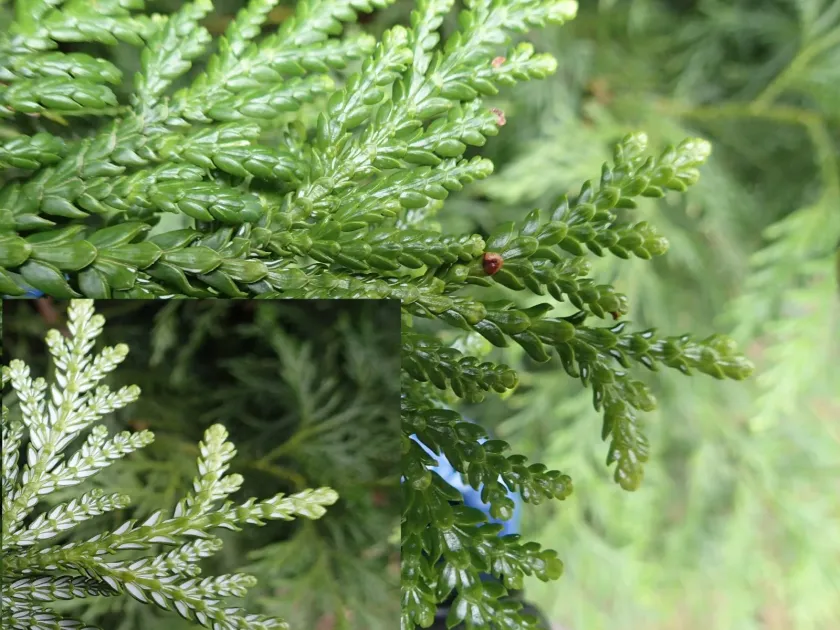
The Hiba arborvitae (Thujopsis dolabrata) is a distinctive evergreen coniferous tree belonging to the Cupressaceae family. It is a monotypic genus native to the moist, temperate forests of Japan, widely recognized for its thick, glossy, scale-like foliage that creates a fern-like appearance.
This species thrives in humid climates and sheltered locations. It is highly valued in horticulture for its ability to tolerate significant shade, which makes it an excellent choice for woodland gardens or understory planting in landscaped areas.
The plant requires deep, fertile, and well-drained soil that remains consistently moist. It is intolerant of heavy, waterlogged conditions or extreme drought. A soil pH ranging from slightly acidic to neutral is ideal for supporting the plant's nutrient uptake.
Agronomic management involves providing supplemental irrigation during dry spells to maintain high atmospheric humidity. Mulching around the base is essential to keep the root zone cool and retain moisture, while young trees benefit from light organic fertilizers in the spring.
In terms of economic use, the Hiba arborvitae is highly esteemed for its timber in Japan. The wood is naturally resistant to decay and moisture, which has historically led to its use in high-quality furniture, temple construction, and traditional craft manufacturing.
Main diseases and pests
The primary botanical threats to Thujopsis dolabrata include root rot and stem cankers, which often develop when the soil drainage is inadequate or when humidity levels drop too low during heatwaves.
Pest pressures primarily include scale insects and aphids, which can infest the underside of the foliage, leading to needle drop and stunted growth if left unmanaged.
Management strategies focus on preventive measures, including proper spacing to ensure adequate air circulation and the removal of any diseased or dead plant material to stop fungal spread.
Chemical control, when necessary, involves the use of copper-based fungicides for fungal issues and systemic insecticides for insect control, applied strictly according to local agricultural guidelines.
Monitoring the health of the tree involves regular inspections of the needles and bark to detect early signs of stress or infestation, ensuring a long-lasting ornamental value for the landscape.