
Hybrid Thuja
Thuja hybrids
Description
Growing requirements
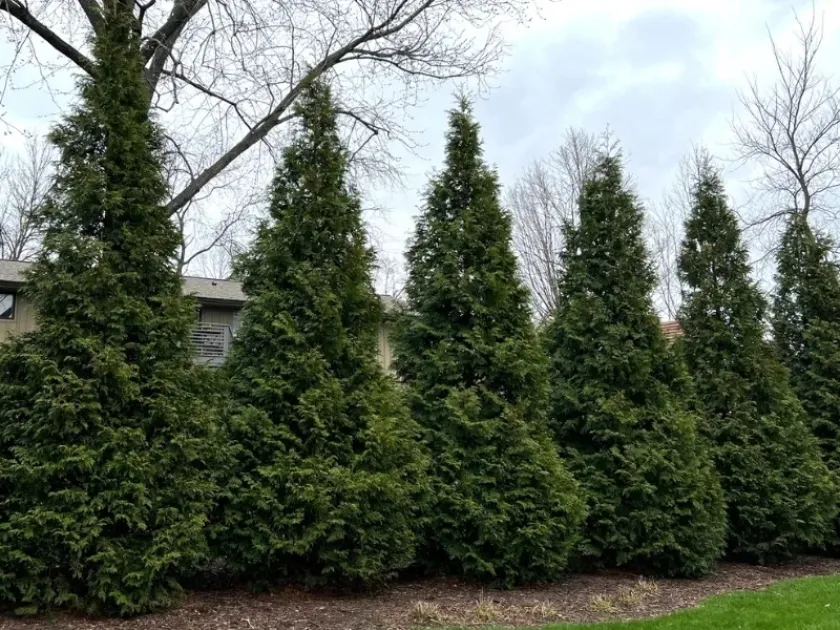
Hybrid Thuja (Thuja hybrids) belongs to the Cupressaceae family and is a specialized horticultural group produced by cross-breeding species such as Thuja plicata and Thuja standishii. These hybrids are prized for their vigor, disease resistance, and aesthetic appeal in landscape architecture.
The plant thrives in regions with moderate moisture and requires locations that provide full sun to partial shade. Protection from drying winds is essential, particularly in late winter and early spring when the root system may still be dormant while the foliage loses water.
Soil requirements for optimal growth include well-drained, fertile, loamy soils. They do not tolerate waterlogged conditions, which can lead to root rot. If the soil is heavy or clay-like, incorporating organic matter and creating a drainage layer is necessary for success.
Cultural practices involve regular irrigation, especially during the first few years after planting. It is also beneficial to apply mulch around the base of the tree to conserve soil moisture and suppress competition from weeds, ensuring the root zone remains cool.
In terms of usage, hybrid Thuja is highly valued for creating privacy screens, hedging, and formal architectural forms. Its ability to tolerate frequent pruning makes it an ideal choice for both large-scale landscaping projects and domestic gardens.
Main diseases and pests
Common fungal diseases affecting these plants include tip blight, needle cast, and root rot. These pathogens typically thrive in conditions of high humidity or where plant spacing is too dense, preventing proper air circulation.
Key insect pests include bagworms, scale insects, and spider mites. These pests can cause significant damage to the foliage and stems, often manifesting as thinning or localized browning of the plant, which detracts from its visual value.
Effective management strategies include regular scouting for early signs of infestation and applying horticultural oils or systemic insecticides when necessary. Monitoring should increase during dry, hot spells when mites are most active.
Disease control is largely preventative, focusing on maintaining plant vigor through proper fertilization and avoiding overhead irrigation that leaves the foliage wet for extended periods, as wet needles create ideal conditions for fungi.
Pruning is not only for shaping but also for plant health. Removing dead or diseased branches allows for better airflow through the canopy, significantly reducing the habitat available for fungal spores and small pests to colonize.