
Oriental arborvitae
Platycladus orientalis (L.) Franco
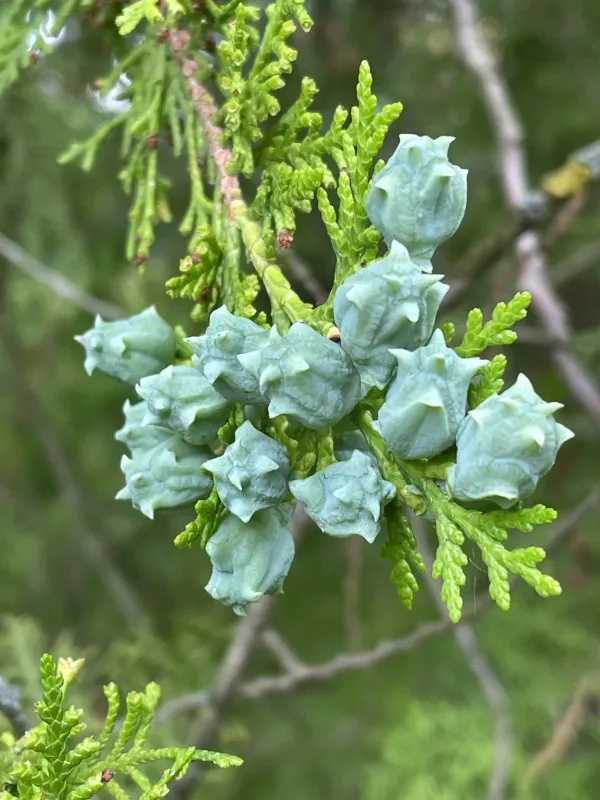
Description
Growing requirements
The Oriental arborvitae (Platycladus orientalis) is an evergreen coniferous species belonging to the Cupressaceae family. It is uniquely recognized for its vertically oriented, fan-like branches, which distinguish it from the classic Thuja genus.
Native to East Asia, specifically China and Korea, this species is widely utilized in commercial landscaping and arboriculture. It thrives in temperate regions, demonstrating remarkable adaptability to varied environmental stressors once established.
The species is highly heliophilic, requiring direct sunlight to maintain foliage density and structural integrity. While it exhibits tolerance to heat and occasional dry spells, consistent irrigation is vital for juvenile plants to ensure successful establishment in the landscape.
Regarding soil preferences, it favors well-draining, slightly alkaline to neutral loamy substrates. Poor drainage is a critical limiting factor, as it often leads to root hypoxia and subsequent susceptibility to secondary infections by soil-borne pathogens.
Agricultural management requires seasonal pruning to maintain shape and promote canopy vigor. Proper nutrient supplementation, specifically during the initial years of growth, helps in achieving the desired canopy architecture and foliage color intensity.
Main diseases and pests
The primary pest threats to the Oriental arborvitae include spider mites, juniper aphids, and the arborvitae leaf miner. These insects can cause significant desiccation and browning of the foliage if left unmanaged during the early spring or late summer.
Fungal pathogens such as Phytophthora root rot and various needle blights (Didymascella) represent significant concerns. High humidity and poor air circulation within the canopy often trigger these outbreaks, leading to branch dieback.
Effective control strategies integrate the use of systemic fungicides and miticides applied at the first sign of infestation. Maintaining adequate spacing between trees is crucial to promote airflow and minimize the duration of leaf wetness after rain.
Sanitation practices involve the prompt removal and disposal of infected branch tissue to minimize the inoculum load. Maintaining plant vigor through optimal irrigation and fertilization serves as a robust defense mechanism against opportunistic pathogens.
For large-scale plantings, regular scouting programs are necessary to identify early indicators of biotic stress. Implementing integrated pest management (IPM) protocols is recommended to sustain the long-term health and aesthetic value of the plantings.