
Pilgerodendron
Pilgerodendron uviferum
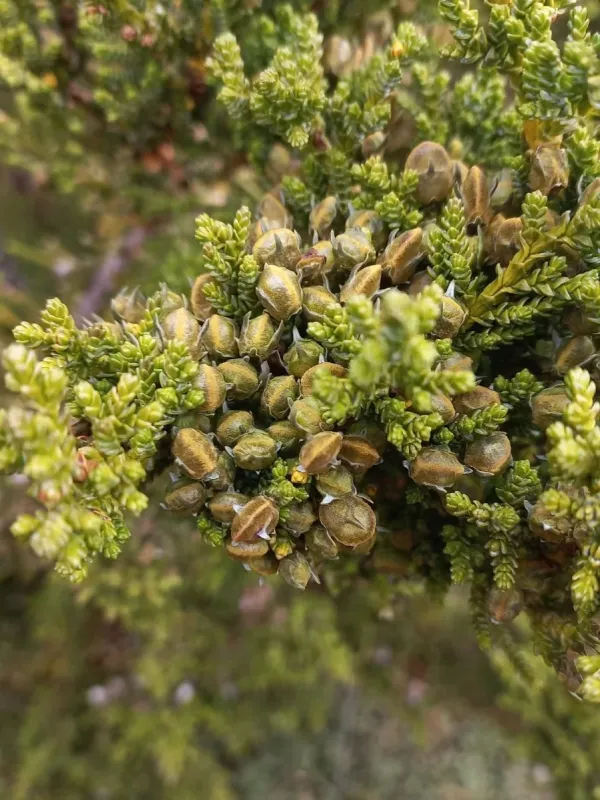
Description
Growing requirements
Pilgerodendron (Pilgerodendron uviferum) is a distinctive coniferous tree species belonging to the Cupressaceae family. It is a monotypic genus native to the temperate rainforests of southern Chile and Argentina.
The culture thrives in cool, highly humid conditions. It is famously adapted to waterlogged soils and peatlands, demonstrating an exceptional tolerance for high moisture levels that would drown most other arboreal species.
For successful growth, this tree requires acidic, moisture-retentive soils and a climate that avoids extreme heat or prolonged drought. It is highly resistant to strong winds, reflecting its evolution in the challenging environment of Patagonia.
Botanical characteristics include slow growth, a narrow pyramidal habit, and scale-like leaves arranged in four ranks. These features protect the plant from harsh, icy winds and high rainfall common in its native range.
In terms of management, Pilgerodendron is considered an ornamental rarity in some collections and a species of conservation interest in forestry. Its cultivation remains limited to regions that can replicate the specific cool-temperate microclimate.
Main diseases and pests
The primary threats to Pilgerodendron include habitat fragmentation and the historical over-exploitation of its durable, rot-resistant wood. These factors have led to a significant decline in natural stands over the last century.
Pathogenic threats in controlled environments primarily involve root rot fungi, which thrive when stagnant water is not managed correctly. Proper soil aeration, despite the moisture requirements, is essential for healthy growth.
Insect pests are generally less problematic than environmental stress factors, though sap-sucking insects can occasionally infest young seedlings in nursery conditions. Integrated pest management is recommended to preserve sensitive foliage.
Climate change poses a long-term risk, as altered precipitation patterns may cause critical sites to dry out, disrupting the specific ecological niche the species relies upon for survival.
Strict conservation efforts are necessary to protect existing populations from wildfires, which remain the most destructive threat to these slow-growing coniferous forests.