
Microbiota
Microbiota decussata Kom.
Description
Growing requirements
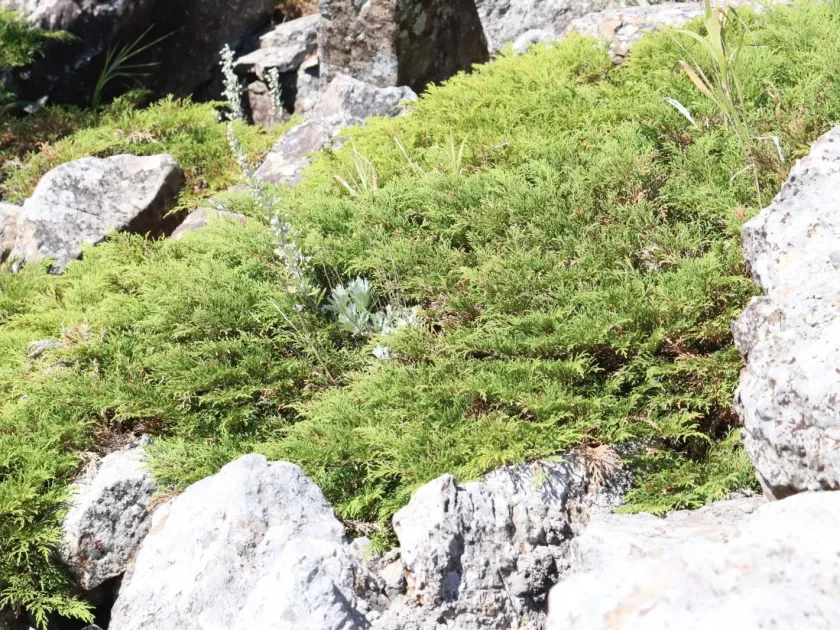
Microbiota decussata, commonly known as the Siberian carpet cypress, is a monotypic genus of coniferous plants in the Cupressaceae family. Native to the Sikhote-Alin mountain range in the Russian Far East, it is highly valued for its creeping habit and hardiness.
The plant thrives in cool, moist climates and exhibits exceptional frost tolerance, making it an excellent choice for ornamental landscaping in colder regions. It prefers environments where winter temperatures remain low, allowing it to stay dormant and protected.
Optimal growth requires well-drained soil, preferably sandy or loamy, with a neutral to slightly acidic pH. Poor drainage is the most significant risk factor; therefore, soil amendments such as gravel or sand should be used to ensure adequate water runoff in heavy clay conditions.
Light requirements for this shrub are flexible, as it performs well in both full sun and partial shade. While it can adapt to various light conditions, partial shade is often preferred to maintain the deep green color of the foliage during the summer months.
Basic cultural practices involve watering during dry spells and applying mulch to maintain soil moisture and temperature stability. Because of its slow growth rate, Microbiota requires minimal pruning, which should be limited to removing dead or damaged branches to improve plant health.
Main diseases and pests
Microbiota decussata is generally robust and resistant to most common pests found in coniferous gardens. However, environmental stressors, such as poor drainage or excessive humidity, can render it susceptible to various physiological and fungal disorders.
Root rot, specifically caused by Phytophthora or other soil-borne pathogens, is a major threat that usually stems from waterlogged soil. Symptoms include the browning of foliage, wilting of branches, and in severe cases, the complete dieback of the plant.
Managing fungal threats requires a focus on preventive cultural practices. Ensuring excellent soil drainage and avoiding overhead irrigation can significantly reduce the risk of pathogen development. Fungicides may be utilized as a treatment if early infection signs are detected.
Pest issues such as spider mites or scale insects may occur, though they are rarely a significant problem in well-maintained, healthy specimens. Regular monitoring of the foliage, especially during hot and dry weather, can help detect infestations early before they spread.
Overall, the health of the plant is best maintained through proper site selection and balanced fertilization. Avoiding excessive nitrogen application in late summer helps the plant harden off, increasing its natural resistance to environmental stressors and pathogens.