
Pāhautea
Libocedrus bidwillii Hook. f.
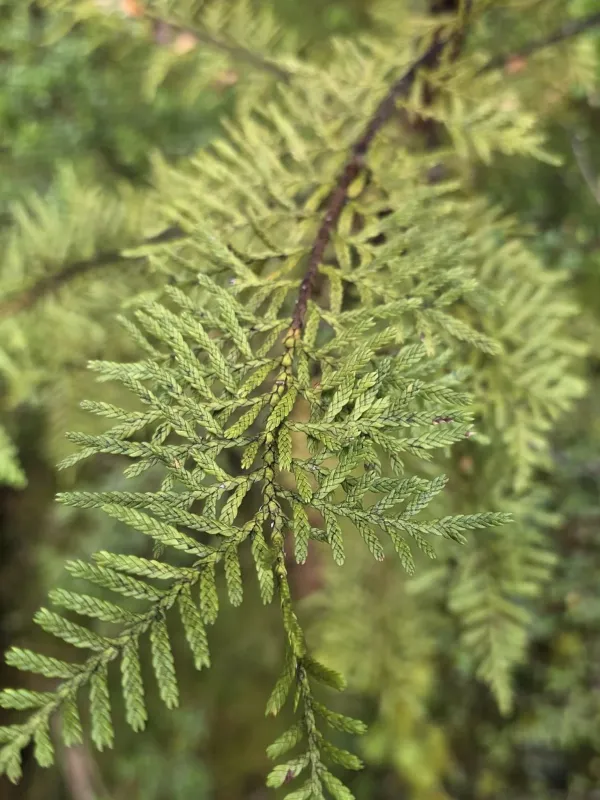
Description
Growing requirements
Libocedrus bidwillii, commonly known as Pāhautea or New Zealand cedar, is a coniferous tree species belonging to the family Cupressaceae.
Native to the mountainous regions of New Zealand, this tree thrives in cool, temperate environments characterized by high humidity and consistent moisture.
In cultivation, it requires well-drained, acidic to neutral soil. Poor drainage is the most significant limiting factor, as the roots are highly susceptible to rot in waterlogged conditions.
The plant grows very slowly, making it more suitable for long-term landscaping projects or botanical conservatory settings than for rapid commercial production.
It prefers partial shade in its early stages of development, as excessive direct sunlight during juvenile years can cause desiccation of the delicate foliage.
Main diseases and pests
The primary threats to Libocedrus bidwillii include fungal pathogens such as Phytophthora, which targets the root system if drainage is inadequate.
Scale insects and aphids can occasionally infest the foliage, leading to yellowing needles and stunted terminal growth if left untreated.
Sooty mold often develops as a secondary result of aphid activity, covering the needles and interfering with the tree's photosynthetic capacity.
Winter desiccation is a risk in exposed locations, where cold, drying winds can cause significant damage to the crown of the tree.
Effective management requires a proactive approach, including proper site selection and the use of preventative horticultural oils during the growing season.