
Yew-leaved juniper
Juniperus taxifolia
Description
Growing requirements
The yew-leaved juniper (Juniperus taxifolia) is an evergreen coniferous species belonging to the Cypress family (Cupressaceae). Originating from the Bonin Islands in Japan, this plant has adapted to rocky environments and exposed mountainous terrain, making it a hardy choice for various landscapes.
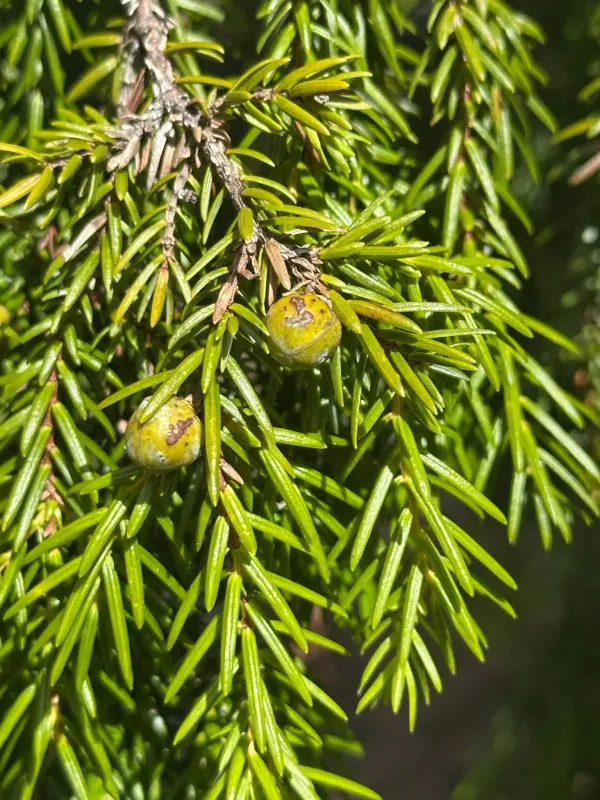
The botanical structure of this juniper is defined by its needle-like foliage, which strongly resembles that of the yew tree. This slow-growing shrub or small tree possesses a distinct architecture, often forming a spreading, dense crown that provides year-round aesthetic appeal.
The cultivation of this species requires ample sunlight to maintain its structural integrity and foliage density. While it demonstrates significant drought tolerance once established, providing consistent, moderate moisture is essential during the early developmental stages to ensure healthy root establishment.
Regarding soil, this juniper thrives in sandy or well-draining rocky substrates. It is crucial to prevent waterlogging, as the root system is susceptible to decay if exposed to stagnant moisture. Incorporating gravel or sand at the planting site is a standard horticultural practice for this species.
The plant is noted for its adaptability to varying climates, including its resistance to high winds. However, in regions with severe winters, it is advisable to protect younger specimens from winter burn by providing partial shade or windbreaks until they are fully acclimated to the local environment.
Main diseases and pests
Fungal diseases, including rust and blights, pose the most significant threat to Juniperus taxifolia. These pathogens typically emerge in humid conditions where air circulation is restricted, making proper pruning and spacing vital for disease prevention.
Pest pressures primarily include scale insects and spider mites. Scale insects attach to the woody stems and branches, requiring systemic insecticides for effective control, while spider mites often target the needles, especially during hot and dry summer spells.
Effective management strategies involve regular monitoring for any signs of discoloration or wilting within the foliage. If pests are detected early, manual removal or the application of horticultural soaps can prevent the infestation from becoming severe.
Copper-based fungicides are highly recommended as a preventive measure against the onset of fungal infections during the growing season. Maintaining clean surroundings by removing dead needles from beneath the plant also helps reduce the inoculum levels in the soil.
Finally, maintaining the plant's overall vigor through correct soil nutrient management and avoiding excessive fertilization is key. A balanced, non-stressed plant will naturally be more resilient against typical pests and common environmental ailments.