
Zeravshan juniper
Juniperus seravschanica
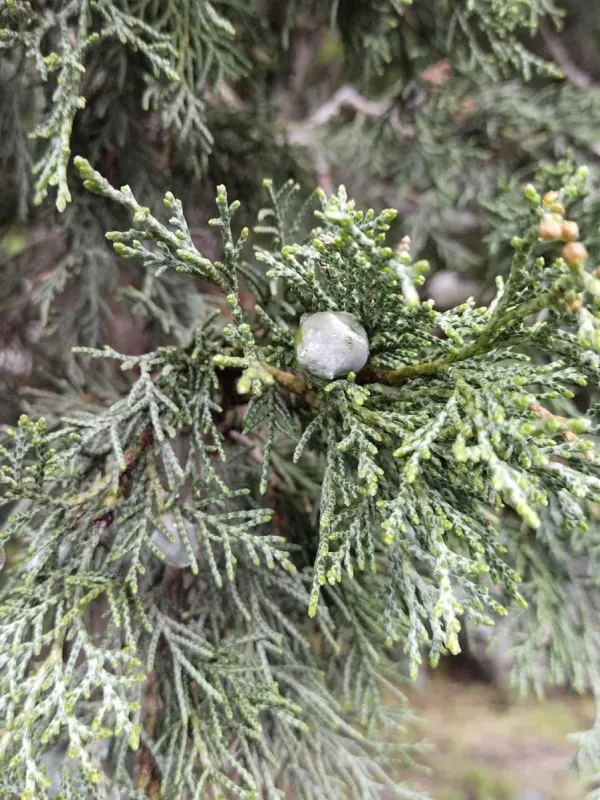
Description
Sowing dates
The Zeravshan juniper belongs to the Cupressaceae family and is recognized as a hardy, slow-growing evergreen species adapted to mountainous ecosystems.
Propagation is generally performed through seed stratification, which is necessary to overcome the seed coat dormancy that is typical for this mountain species.
Seeds are best sown in autumn, allowing the cold winter conditions to naturally trigger germination processes in the soil by early spring.
Cuttings can be used for clonal propagation; semi-hardwood stems are selected during the late spring or mid-summer growing season to ensure optimal rooting success.
Given the slow growth rate, starting with well-established nursery-grown plants is often more practical for agricultural and landscape applications than direct seeding.
Growing requirements
This species is highly drought-tolerant and thrives in full sunlight, reflecting its natural habitat in the rugged terrains of Central Asia.
Well-drained, porous, and rocky soils are essential for the health of the Zeravshan juniper, as stagnant water is detrimental and often fatal to the root system.
It displays remarkable resilience to wide temperature extremes, capable of withstanding both the intense heat of arid summers and the harsh cold of high-altitude winters.
The ideal soil pH is neutral or slightly alkaline, with a preference for substrates containing calcium, which mimics the natural limestone-rich mountain environments.
Minimal nitrogen fertilization is recommended to avoid forcing excessive soft growth, which can make the plant more susceptible to environmental stress and frost damage.
Yield
Economically, the Zeravshan juniper is primarily used for large-scale soil erosion control and the establishment of protective forest belts in arid regions.
The wood is dense and durable, prized for its natural resistance to decay and insects, making it valuable for artisanal woodworking and specialty furniture.
The plant is a significant source of essential oils, which are distilled for their potent antimicrobial and aromatic properties, utilized in various industrial sectors.
In landscaping, it serves as a robust option for stabilizing slopes and areas with poor soil quality, where more fragile ornamental species would fail.
Its role in supporting ecosystem services, such as providing habitat and preventing soil degradation, makes it a critical species for reforestation efforts in its native range.
Main diseases and pests
Excessive soil humidity and poor airflow around the crown are the primary contributors to fungal pathogen outbreaks in this species.
Juniper rust is a frequent challenge, characterized by the appearance of unsightly galls on the branches that can cause branch dieback if left untreated.
Insect pests, such as juniper scale and spider mites, are known to infest the foliage, leading to discoloration and a decline in the plant's overall vitality.
Integrated pest management, including regular canopy inspections and the judicious use of selective pesticides, is necessary to maintain long-term tree health.
Pruning out infected or dead woody material is a vital cultural practice that limits the spread of pathogens and promotes vigorous new growth within the canopy.