
Alligator juniper
Juniperus deppeana
Description
Growing requirements
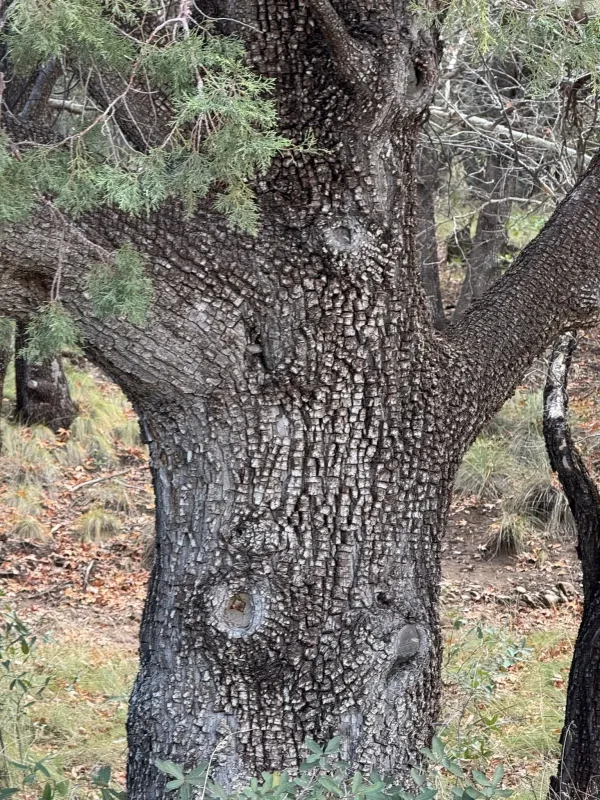
The Alligator juniper (Juniperus deppeana) belongs to the Cupressaceae family. It is a long-lived evergreen tree, best recognized for its distinctive bark, which forms deep, square plates resembling the skin of an alligator.
Native to the mountainous regions of Mexico and the southwestern United States, this species is highly adapted to arid and semi-arid environments. It thrives in high-elevation ecosystems where it is exposed to harsh sunlight and limited precipitation.
Cultivation requires well-drained, alkaline or neutral soils. The species is extremely sensitive to waterlogged conditions, which makes adequate soil drainage a critical factor for success in domestic gardening and nursery management.
The tree exhibits a slow growth habit, making it an excellent candidate for long-term ornamental planting. It requires a full-sun location to maintain its compact crown structure and prevent sparse, leggy growth.
Establishing young plants requires careful watering, though mature trees are exceptionally drought-tolerant. Minimal fertilization is usually sufficient, as this plant is evolved to extract nutrients from lean, rocky substrates.
Main diseases and pests
The main threats to the health of Alligator juniper include fungal pathogens like cedar-apple rust and various forms of twig blight. These diseases are most prevalent in areas with high humidity or poor canopy ventilation.
Pests such as juniper scales and spider mites can cause significant aesthetic damage. Mites, in particular, flourish in hot, dry weather and can lead to browning of the foliage if left unchecked during the summer months.
Effective management strategies include cultural practices such as pruning deadwood to improve airflow and avoiding overhead irrigation, which encourages fungal spore germination.
Root rot is a major risk when soil conditions do not allow for proper aeration. Improving soil structure with amendments is often necessary if the native soil is too clay-heavy or prone to compaction.
Regular monitoring for early signs of infestation or infection is vital. Integrating systemic protective measures can help maintain the resilience of the tree against environmental stressors and common agricultural pests.