
California juniper
Juniperus californica
Description
Growing requirements
California juniper (Juniperus californica) is a member of the Cupressaceae family, native to the arid mountains and foothills of California and Baja California.
The plant thrives in full sun and requires well-drained, sandy, or rocky soils, demonstrating exceptional tolerance to drought and nutrient-poor growing environments.
Agrotechnical requirements focus on site selection that prevents water stagnation; the root system is highly sensitive to excessive soil moisture, which often leads to root rot.
As a slow-growing evergreen, it is frequently utilized in landscaping for xeriscaping projects and as a traditional subject for high-quality bonsai cultivation.
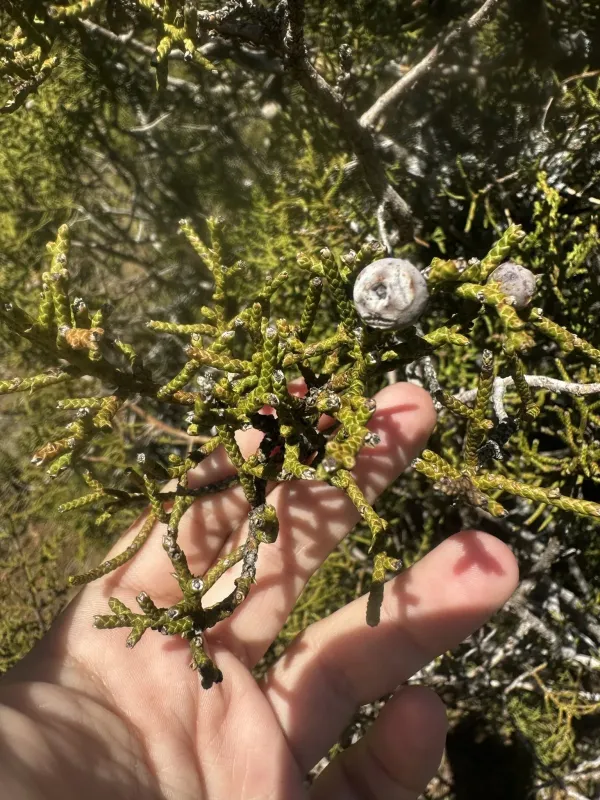
Botanically, it typically reaches heights of 4 to 8 meters, characterized by its scale-like blue-green foliage and berry-like cones that are essential for local wildlife ecosystems.
Main diseases and pests
Fungal pathogens such as rust and root rot are the primary threats, particularly in areas where air circulation is restricted or soil drainage is insufficient.
Insect pests including juniper scale and various species of mites can cause significant damage to the plant's aesthetic value and overall physiological health.
Management practices should prioritize dry conditions and adequate spacing between specimens to promote airflow and minimize the development of moisture-dependent diseases.
Integrated pest management strategies, such as using horticultural oils or systemic insecticides, are recommended during the early stages of a pest infestation.
Maintaining plant vigor through proper environmental placement is the most effective way to prevent outbreaks and ensure the longevity of the juniper in a landscape setting.