
Azores juniper
Juniperus brevifolia
Description
Growing requirements
The Azores juniper (Juniperus brevifolia) is a distinct conifer species belonging to the Cupressaceae family. It is an endemic plant native to the Azores archipelago, uniquely adapted to the oceanic climate of the region.
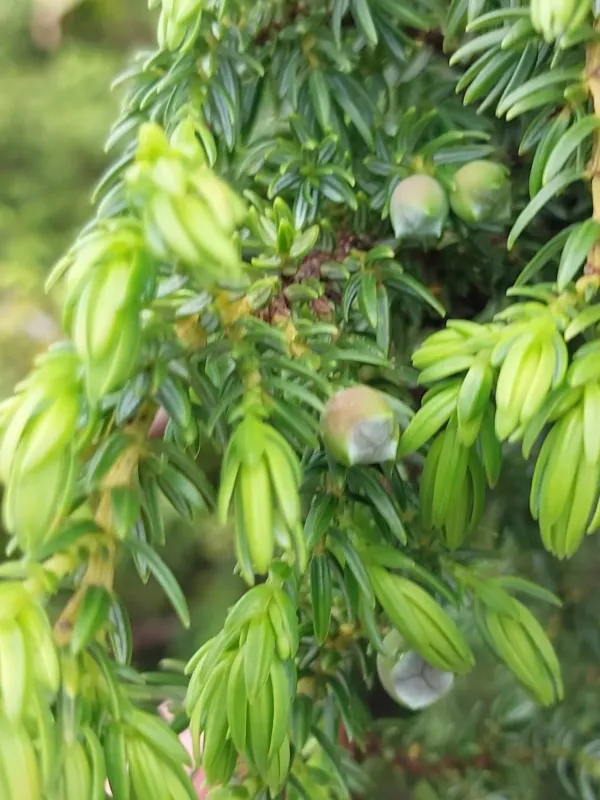
Botanically, it typically grows as a compact shrub or a small tree, characterized by its short, dense foliage. This adaptation allows the species to survive the high wind speeds often found in its natural mountainous habitats.
Environmental requirements include a consistent, humid atmosphere and cool to moderate temperatures. In a controlled cultivation setting, it is essential to replicate these conditions by providing high levels of humidity and avoiding temperature extremes.
Regarding soil preference, this species thrives in well-draining, acidic, volcanic substrates. These soils provide the necessary aeration and mineral composition for the plant to develop a healthy root system, which is crucial for its long-term survival.
In terms of agricultural and horticultural use, the Azores juniper is primarily found in botanical collections and conservation projects. Its value lies in its ecological uniqueness and its role as a representative of the native flora of the Azores.
Main diseases and pests
The primary threats to the Azores juniper involve the encroachment of invasive alien plant species, which outcompete native vegetation for essential resources like light and nutrients. This displacement significantly hinders the natural regeneration of the population.
Fungal diseases represent a major hazard, particularly when environmental conditions cause prolonged moisture retention on the foliage. Such conditions often lead to needle cast or root rot, which can prove fatal to established specimens if not managed correctly.
Pests such as scale insects and spider mites may also pose a risk to weakened trees. Monitoring and early detection are critical for managing these infestations without relying on harsh chemicals that could damage the surrounding environment.
Human impact, including habitat fragmentation and fire, continues to affect the stability of remaining populations. Conservation strategies are currently focused on protecting existing stands and encouraging sustainable management of the surrounding landscape.
Maintenance of healthy growth involves careful pruning and the removal of dead or diseased branches to promote air circulation. Furthermore, protecting young saplings from livestock grazing is a vital component of successful conservation-oriented cultivation.