
Ducloux's cypress
Cupressus duclouxiana
Description
Growing requirements
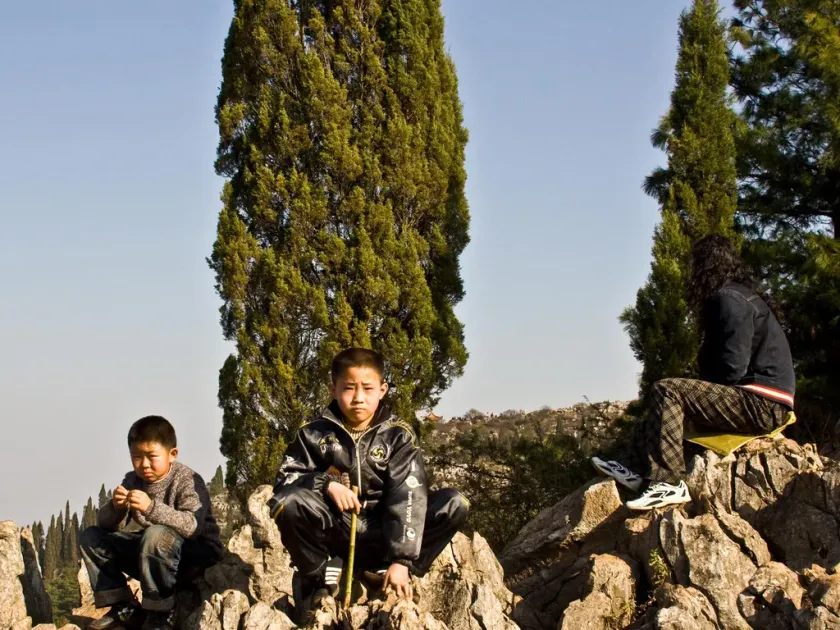
Ducloux's cypress (Cupressus duclouxiana) is a prominent evergreen coniferous species belonging to the Cupressaceae family. Native to the mountainous regions of southwestern China, particularly Yunnan and Sichuan, this tree thrives at altitudes ranging from 1,000 to 2,900 meters.
The tree exhibits a distinct conical shape during its juvenile stage, gradually becoming more expansive and elegant as it matures. Its foliage consists of scale-like leaves of a deep green hue, complemented by globose cones measuring approximately 1.5 to 2.5 cm, which reach maturity in their second year.
Regarding soil requirements, Cupressus duclouxiana demands well-drained substrate, showing particular adaptability to limestone and rocky terrain. Providing optimal drainage is paramount, as waterlogging is the primary cause of root failure in this species.
Climatically, this cypress prefers moderate conditions and requires significant sunlight for balanced development. While it shows resilience toward the elements, young saplings benefit from protection against intense direct heat and desiccating winds, which can hinder initial establishment.
In terms of agricultural and landscape utility, the species is widely valued for its ornamental appeal in parks and gardens. Furthermore, its durable wood is historically significant for construction purposes due to its natural resistance to decay, making it a valuable resource in forestry management.
Main diseases and pests
The primary threats to Ducloux's cypress include fungal infections, specifically those affecting the root system due to excess moisture. Phytophthora root rot is a common challenge that requires vigilant soil management and the implementation of drainage systems.
In terms of insect pests, aphids and spider mites are frequent adversaries. These pests infest the foliage, leading to discoloration, stunted growth, and loss of needle vitality. Regular inspections are necessary to identify outbreaks before they impact the tree’s overall health.
Proactive management involves the application of appropriate insecticides and fungicides during the peak growing season to mitigate damage. Maintaining adequate spacing between trees is also essential to ensure sufficient airflow and reduce the incidence of fungal spores.
Sanitary pruning is a critical practice for maintaining tree vitality. Removing dead or infested branches promptly prevents the spread of pathogens and encourages the tree to redirect energy toward healthy growth, ensuring long-term resilience.
Additionally, young specimens require protection against mammalian herbivores and winter damage. Applying organic mulch around the base helps stabilize soil temperature and retains moisture, effectively supporting the tree during environmental stress periods.