
Corney's Cypress
Cupressus corneyana
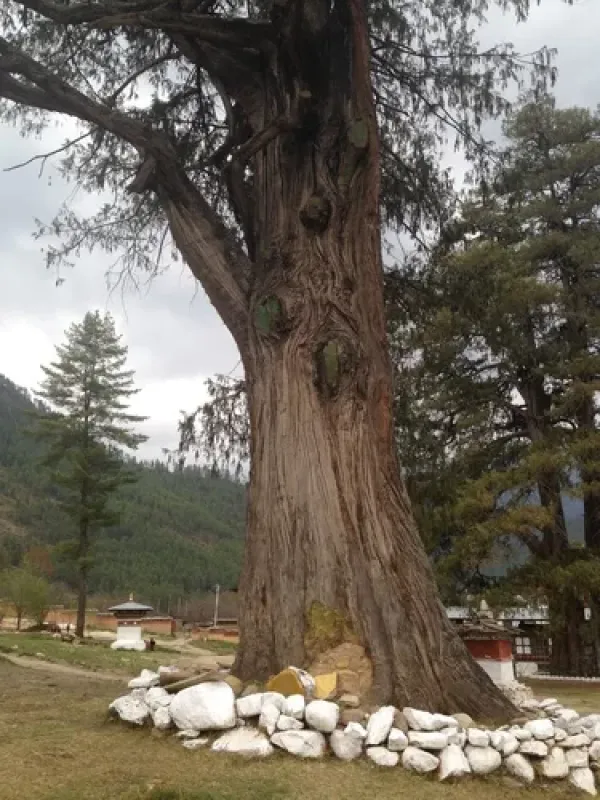
Description
Growing requirements
Corney's Cypress (Cupressus corneyana) is a distinctive member of the Cupressaceae family. This evergreen conifer is highly regarded for its structural beauty and is widely grown for ornamental purposes in suitable climatic regions.
The cultivation of this species requires well-drained, nutrient-rich soil with a slightly acidic to neutral pH. Proper soil aeration is essential to prevent root rot, as the species is sensitive to waterlogged conditions that can compromise its overall health.
Regarding climate, the plant thrives in areas with mild, temperate weather and moderate humidity. It is important to provide protection from harsh, drying winds and excessive direct sunlight, especially during the tree's establishment phase.
Botanically, Cupressus corneyana is characterized by its compact, conical habit and fine, scale-like foliage. The plant’s growth rate is moderate, necessitating periodic structural pruning to maintain its aesthetic shape in managed landscapes.
In terms of agricultural use, this cypress serves as a staple in nursery production for landscape design. Its ability to create natural windbreaks and formal hedges makes it a versatile component in both private and municipal green spaces.
Main diseases and pests
Major threats to the health of this species include fungal pathogens such as Phomopsis and Phytophthora. To manage these, site hygiene and appropriate watering regimes are the primary defenses for any agricultural or garden planting.
Pest management focuses on controlling common conifer insects like scale insects and spider mites. Effective control is usually achieved through integrated pest management strategies, utilizing both cultural practices and selective chemical applications when necessary.