
Cheng cypress
Cupressus chengiana
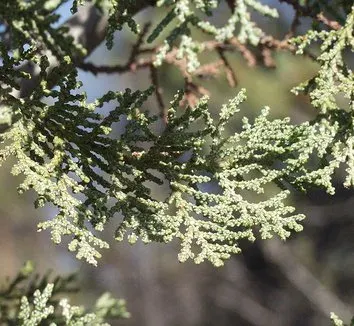
Description
Growing requirements
The Cheng cypress (Cupressus chengiana) is a prominent member of the Cupressaceae family. This evergreen conifer is known for its impressive stature, often growing up to 30 meters tall in its natural habitat.
Originating from the mountainous regions of Western China, specifically in Gansu and Sichuan, this species is adapted to high-altitude environments, thriving between 800 and 2900 meters above sea level.
The species demonstrates significant cold tolerance and is well-suited to rugged, mountainous terrain. It frequently colonizes limestone outcrops, showing a remarkable ability to survive in nutrient-poor conditions.
Optimal growth requires well-drained soil, as the species is highly sensitive to waterlogged conditions. It prefers sunny locations but shows resilience to varying degrees of environmental stress during its establishment phase.
Agrotechnical management in nurseries involves ensuring high-quality drainage systems and providing adequate space for root expansion to prevent stunted growth, which is critical for long-term survival.
Yield
The Cheng cypress is primarily utilized in forestry for its durable and rot-resistant timber. Its wood is highly valued in construction and the manufacturing of traditional furniture pieces.
In ornamental horticulture, the tree is prized for its elegant, often weeping habit and deep green foliage. It is frequently featured in botanical gardens and large-scale public landscape projects.
There is also an emerging interest in the chemical properties of the species, as essential oils extracted from the leaves and branches are used in fragrance and medicinal industries.
Erosion control is another vital function of this species. Its extensive root system helps stabilize steep slopes, making it a key plant for ecological restoration programs in mountainous areas.
Economic yields are largely determined by silvicultural practices, such as thinning and spacing, which ensure that trees develop straight trunks and high-quality biomass over the long term.
Main diseases and pests
The Cheng cypress faces significant conservation challenges, with habitat loss and fragmentation being the primary threats to its remaining wild populations in China.
Insect pests, particularly bark beetles, pose a major risk to forest stands, especially during periods of drought or where the trees are already stressed by poor site conditions.
Fungal diseases are a common concern in poorly drained settings. Pathogens attacking the root system can cause widespread decline in both nursery stocks and young plantation sites.
Competition from more aggressive, fast-growing invasive species can suppress the recruitment of young Cheng cypress, slowing down the natural rejuvenation of forest areas.
Effective pest management involves integrated monitoring, the use of targeted biological controls, and ensuring strict quarantine measures to prevent the spread of invasive pathogens between nurseries.