
Cunninghamia konishii
Cunninghamia konishii
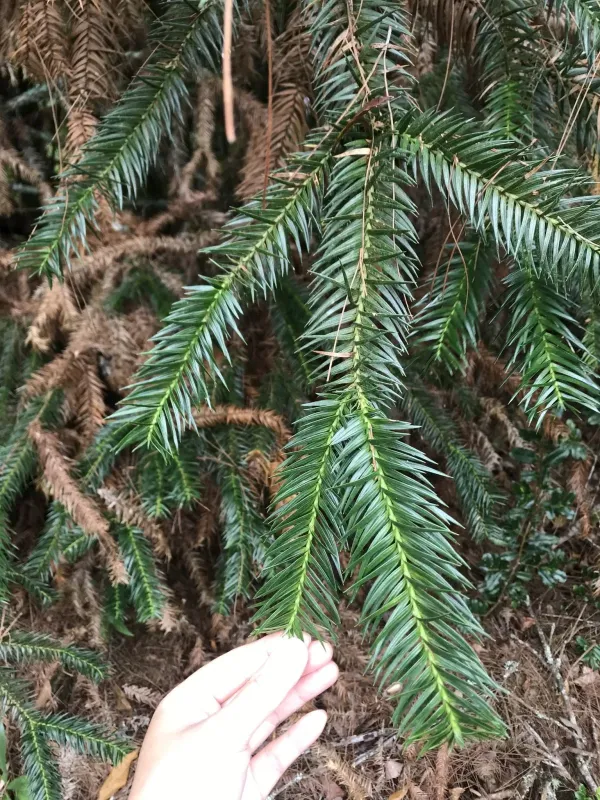
Description
Growing requirements
Cunninghamia konishii, commonly known as Konishi's Cunninghamia, is a distinct coniferous tree belonging to the Cupressaceae family. It is native to the cloud forests of Taiwan and mountainous regions of Vietnam, typically found at elevations between 1300 and 2800 meters.
The species thrives in humid subtropical environments where persistent mist and high rainfall are characteristic. These atmospheric conditions are essential for maintaining the tree’s hydration and overall physiological health.
Regarding soil requirements, the tree prefers deep, well-draining loamy or sandy soils. It is particularly sensitive to waterlogging, necessitating sites with excellent permeability to prevent root suffocation and subsequent fungal pathogen development.
Light exposure is a critical factor for success; young trees require filtered light to protect their needles from intense solar radiation. As the trees mature, they become more tolerant of full sun, provided the soil moisture levels are consistent.
Agronomic management involves selecting appropriate planting sites that mirror the natural mountainous habitat. Proper site preparation, including subsoil aeration, is beneficial for establishing a deep and robust root architecture.
Yield
Cunninghamia konishii is highly valued for its timber, which is light, durable, and naturally resistant to decay. It serves as a premium material for construction, fine furniture making, and even the manufacturing of traditional musical instruments.
Yield metrics in forest management are determined by stand density and periodic silvicultural interventions. The species is known for its relatively fast growth rate under favorable site conditions, making it an efficient choice for plantation forestry.
The economic value of this culture is amplified by the high quality of its wood, which exhibits minimal shrinkage and warping after the seasoning process. This reliability makes it a preferred resource for precision woodworking.
Besides industrial use, the tree possesses ornamental potential. Cultivation in arboretums and large landscape projects allows for the sustainable harvesting of seed stock, providing an additional revenue stream for professional growers.
Strategic thinning is essential for maximizing yield. By removing suppressed trees, foresters concentrate nutrients and space on the dominant specimens, significantly improving the volume and quality of the final harvest.
Main diseases and pests
Fungal diseases related to moisture excess remain the primary threat to stand health. Symptoms such as needle blight or needle cast occur predominantly in plantations where canopy ventilation is insufficient.
Root-borne pathogens like Phytophthora species represent a significant danger if soil drainage is compromised. Early signs of distress include yellowing of foliage and thinning of the crown, often leading to irreversible damage.
Insect pests, including various aphids and mining insects, can infest the younger needles and buds. While usually not fatal to mature trees, heavy infestations can cause stunted growth and reduce the market value of nursery stock.
Environmental stress, such as prolonged droughts or unexpected heatwaves, exacerbates the tree's vulnerability to secondary pests. Maintaining a healthy ecosystem balance through sustainable forestry practices is the best prevention strategy.
- Implement strict quarantine measures for imported nursery stock.
- Utilize balanced fertilizers to improve tree resilience.
- Conduct regular diagnostic surveys during the early growing season.