
Chinese incense cedar
Calocedrus macrolepis
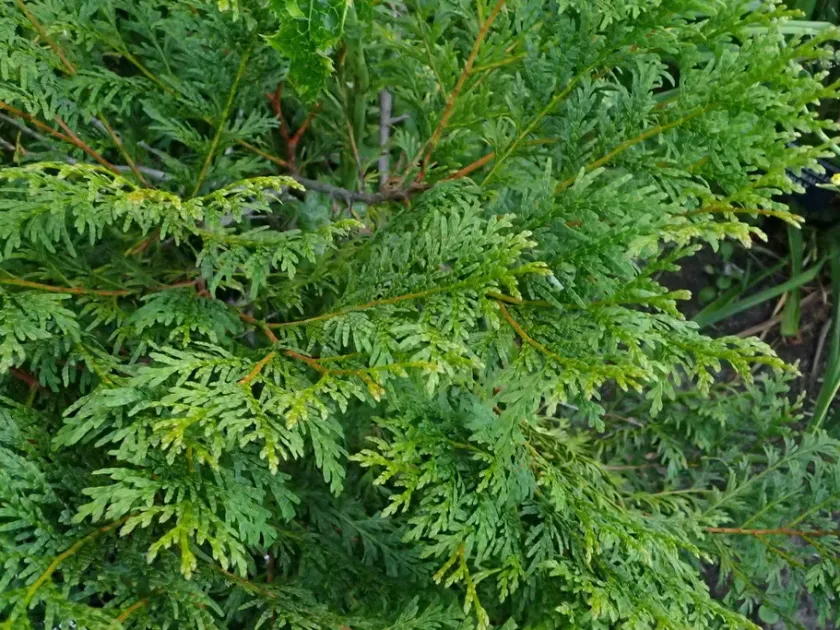
Description
Growing requirements
The Chinese incense cedar, scientifically known as Calocedrus macrolepis, is a prominent coniferous species belonging to the Cupressaceae family. It is a large evergreen tree that can reach significant heights, characterized by its elegant form and aromatic foliage.
This species is native to the subtropical mountainous regions of Southeast Asia, including Vietnam, southern China, and parts of Laos. Its historical range is strictly tied to specific high-altitude ecosystems that provide a stable, humid environment throughout the year.
In terms of cultivation, the tree thrives in fertile, well-drained loamy soils. It has a specific preference for sites with consistent moisture levels and protection from harsh, drying winds, which can negatively affect young specimens during their initial establishment phase.
Climatically, the plant is best suited for zones that do not experience extreme frost. It requires a balanced climate where the temperature remains within moderate ranges, allowing the tree to maintain its steady growth cycle without suffering from cold-induced stress.
Economically, the Chinese incense cedar is highly valued for its durable, rot-resistant wood. It is extensively used in high-end carpentry, furniture manufacturing, and the production of traditional musical instruments due to its acoustic properties and structural integrity.
Main diseases and pests
The species faces several phytosanitary challenges, primarily involving fungal root diseases. These often occur when planting sites lack proper drainage, leading to waterlogging conditions that suffocate the root system and encourage pathogen growth.
Insect pests such as bark beetles and scale insects represent a significant threat to plantation health. These organisms can weaken the tree's resistance, leading to stunted development or, in severe cases, the eventual death of the affected specimens.
Management of these threats involves routine health monitoring and the maintenance of optimal spacing between trees to ensure adequate airflow. Improving ventilation significantly reduces the humidity levels within the canopy, preventing the spread of mold and fungal spores.
When chemical intervention is necessary, the use of systemic fungicides and insecticides should be performed by trained personnel. Integrated pest management strategies are encouraged to maintain ecological balance while protecting the timber quality of the stand.
Sanitary pruning is a critical agrotechnical practice to manage potential threats. By promptly removing dead or diseased branches, foresters can effectively contain local infections and promote more robust growth throughout the entire cultivated area.