
Austrocedrus chilensis
Austrocedrus chilensis
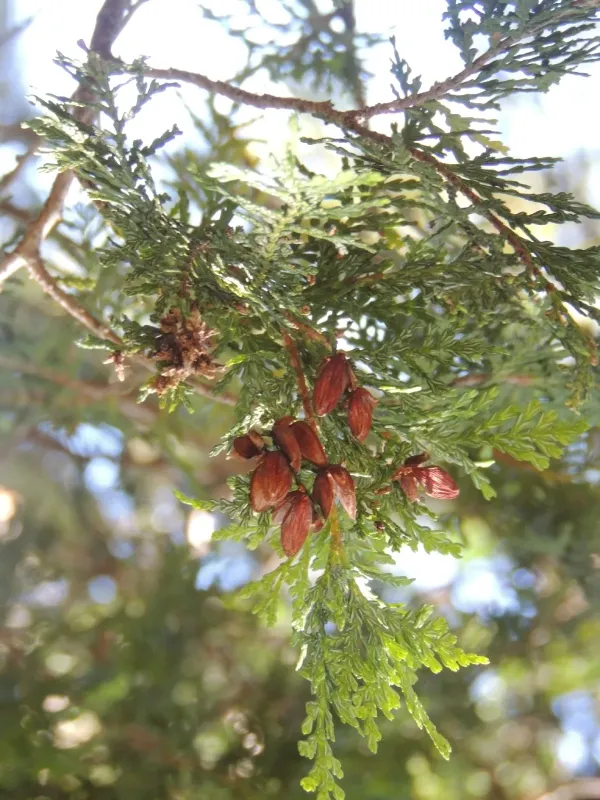
Description
Growing requirements
Austrocedrus chilensis, commonly known as the Chilean cedar, is the sole species in the genus Austrocedrus of the Cupressaceae family. It is native to the temperate forests of the Andes in Chile and Argentina, where it forms distinct, evergreen woodland habitats.
The tree thrives in well-drained, slightly acidic, and rocky soils. It requires sites with excellent water permeability, as the species is highly susceptible to root damage in stagnant, waterlogged environments which are detrimental to its health.
Climate requirements for this species include cool to moderate temperatures and a good exposure to sunlight. While it is hardy, it benefits from being planted in a location that provides protection from extreme, drying wind, especially during the colder seasons.
Agrotechnical management involves careful monitoring of soil moisture during the initial growth stages. Once established, the Chilean cedar is relatively drought-tolerant, although supplementary irrigation is recommended during prolonged dry spells in high-summer periods.
Fertilization should be applied sparingly, focusing on balanced, slow-release formulas. As an ornamental tree, its slow growth rate means that pruning is typically restricted to removing dead or damaged branches to maintain its naturally elegant, slender silhouette.
Main diseases and pests
The most severe biological threat to Austrocedrus chilensis is the fungal pathogen Phytophthora austrocedri. This organism causes a condition known as Mal del Ciprés, resulting in widespread forest decline and mortality in both wild and cultivated populations.
Pest management involves regular inspection for common coniferous insects such as scales and spider mites. Proactive treatment with systemic fungicides and horticultural oils is essential for maintaining the vigor of specimens planted outside their native range.