
King Billy Pine
Athrotaxis selaginoides
Description
Growing requirements
Athrotaxis selaginoides, commonly known as the King Billy Pine, is a distinct coniferous species belonging to the Cupressaceae family and is native to the temperate rainforests of Tasmania.
The tree thrives in cool, moist, and high-rainfall environments, which are essential for maintaining the health of its foliage and preventing physiological stress.
Cultivation requires acidic, well-drained, and nutrient-rich soils that emulate the forest floor conditions found in its natural habitat, with high organic matter content.
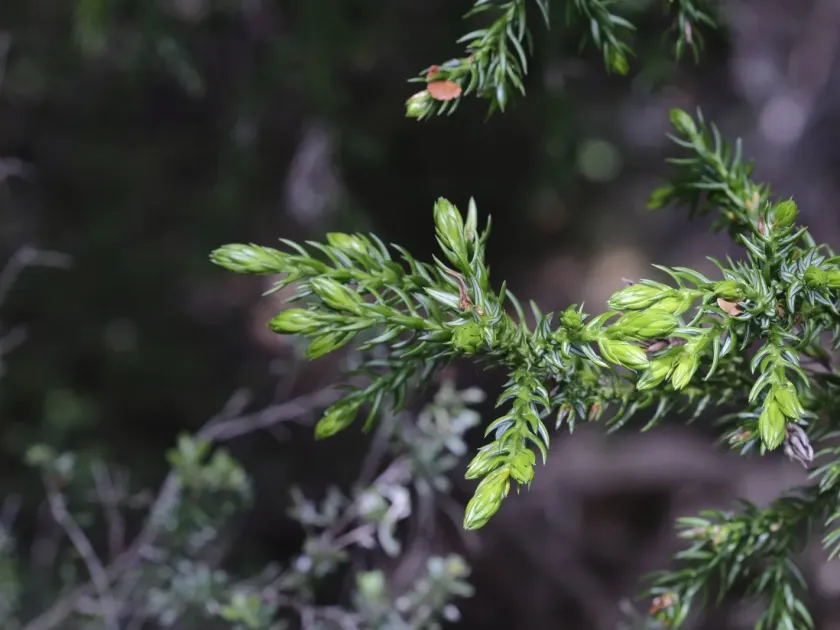
Botanically, it is a slow-growing evergreen tree characterized by overlapping, scale-like leaves that resemble those of clubmosses, and it produces small, woody seed cones.
In terms of usage, the King Billy Pine is primarily an ornamental specimen in botanical collections and arboreta, valued for its prehistoric appearance and rarity in cultivation.
Main diseases and pests
The primary threats to this species include root rot pathogens, which are typically encouraged by waterlogged conditions and poorly drained growing media.
Pests such as spider mites can infest the foliage, particularly when the tree is grown in environments with insufficient humidity or stagnant air circulation.
Environmental factors like prolonged drought and increasing wildfire intensity in its native range pose significant risks to the long-term survival of local populations.
Fungal leaf spot diseases can develop if the foliage remains wet for extended periods without adequate air movement, potentially causing premature needle loss.
Managing the health of the tree requires a focus on consistent irrigation, appropriate shading to protect from intense sun, and careful monitoring for early signs of infestation.