
Laxifolia pencil pine
Athrotaxis laxifolia
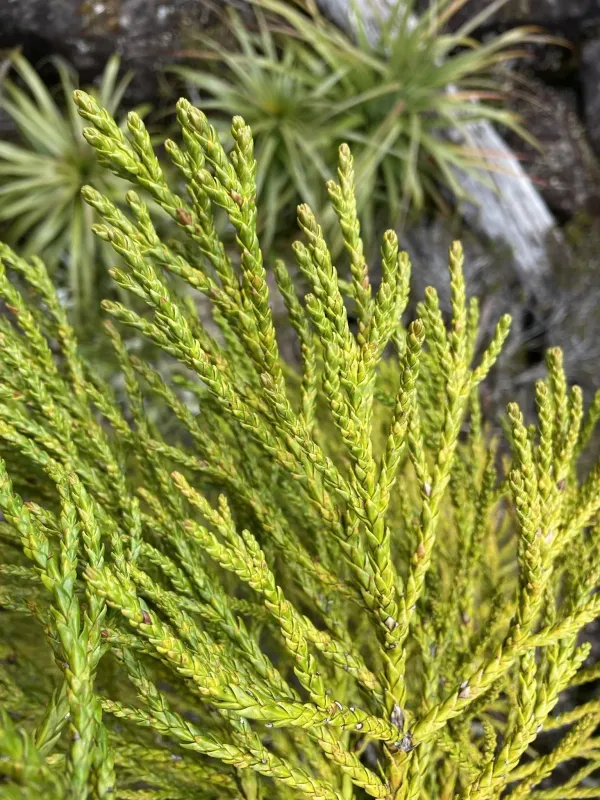
Description
Growing requirements
Athrotaxis laxifolia, commonly known as the laxifolia pencil pine, is a distinct species within the Cupressaceae family. Originating from the high-altitude forests of Tasmania, this evergreen conifer is highly valued for its unique foliage and elegant growth habit.
The plant thrives in cool, moist, and temperate maritime climates. It requires consistent atmospheric humidity and cannot withstand extreme summer heat or prolonged droughts, which are detrimental to its overall health and development.
Regarding soil conditions, it prefers well-draining, acidic to neutral soils rich in organic matter. Proper drainage is essential, as waterlogged conditions quickly lead to root rot, which is the primary cause of mortality in cultivated specimens.
Placement should be carefully selected to provide partial shade, especially protecting the plant from intense afternoon sun. This species is generally slow-growing and prefers stable environments away from strong, drying winds that can cause needle desiccation.
Cultural maintenance involves regular monitoring of soil moisture, mulch application to regulate temperature, and minimal feeding with balanced fertilizers designed for conifers. Pruning is rarely necessary except for removing damaged or dead growth.
Main diseases and pests
Phytophthora root rot is the most serious disease threat for Athrotaxis laxifolia. It is primarily triggered by poor soil aeration and water stagnation, making proper substrate management the first line of defense for the grower.
Pests like spider mites can become an issue in environments with low air humidity, particularly during warmer months. Regular misting and proper irrigation are effective strategies to prevent mite infestations and keep the foliage in good condition.
Improper fertilization practices, such as excessive salt accumulation in the root zone, lead to nutrient toxicity and needle burn. It is crucial to use dilute, slow-release formulas and strictly follow application guidelines to avoid damaging the root system.
Frost heave can disturb young roots in regions with fluctuating winter temperatures. Applying a generous layer of mulch around the base of the plant during the first few years provides necessary protection against temperature extremes.
Leaf spot pathogens can occasionally affect the foliage, especially in stagnant or humid conditions without proper airflow. Removing infected debris and applying copper-based fungicides can help control the spread of these minor fungal infections.