
Actinostrobus pyramidalis
Actinostrobus pyramidalis
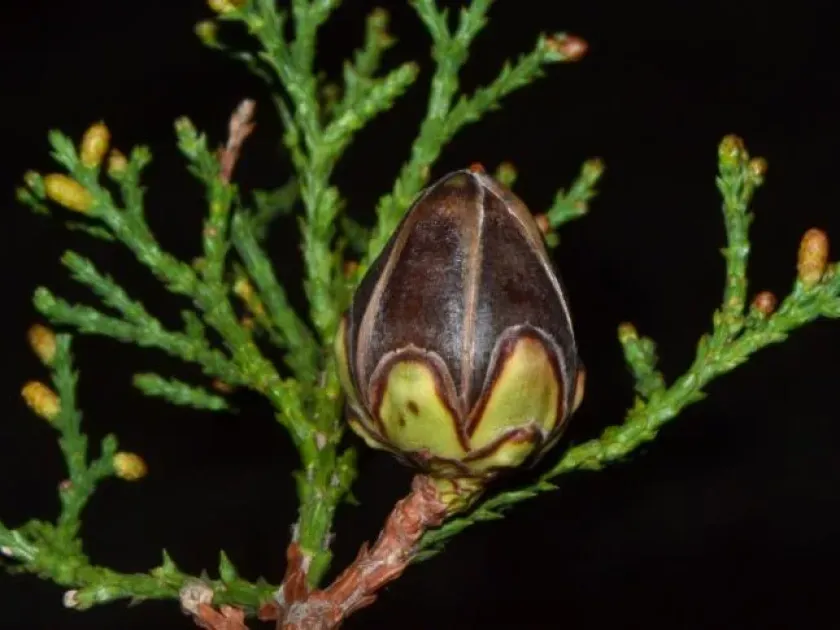
Description
Growing requirements
Actinostrobus pyramidalis is a species of evergreen conifer belonging to the Cupressaceae family. It is endemic to the southwest of Western Australia, where it thrives in specific Mediterranean-like climatic conditions characterized by dry, hot summers and mild, wet winters.
The cultural success of this plant depends heavily on soil composition. It requires deep, well-draining sandy or gravelly soils that mimic its natural habitat. It cannot tolerate heavy or waterlogged soil, which leads to immediate root rot and rapid decline of the plant structure.
Sunlight requirements are absolute for this species; it requires full sun exposure to maintain its dense, narrow, pyramidal shape. If grown in partial shade, the plant tends to become sparse, losing its aesthetic appeal and structural integrity, which makes site selection crucial for growers.
As a drought-tolerant species once established, it is remarkably efficient at water usage. However, when cultivated in containers, the irrigation frequency must be carefully monitored to provide sufficient moisture without ever saturating the root ball, especially during the dormant winter months.
In terms of хозяйственного (economic/horticultural) use, it is primarily grown for its ornamental value in Mediterranean-style gardens or as a specimen plant in specialized collections. Its unique, glaucous-green foliage and structural form make it a prized subject for landscape design in appropriate climate zones.
Main diseases and pests
The most significant health risks involve fungal pathogens, particularly Phytophthora, which flourish in wet or poorly aerated soils. Preventing water accumulation at the base of the plant is the most effective cultural strategy to avoid the development of fatal root diseases.
Common pests include spider mites and scale insects, which often infest the foliage, particularly in indoor environments with low humidity. Growers should conduct regular inspections of the needles and branches to identify early signs of infestation and apply appropriate systemic insecticides when necessary.