
Actinostrobus acuminatus
Actinostrobus acuminatus
Description
Growing requirements
Actinostrobus acuminatus is a rare evergreen coniferous shrub belonging to the Cupressaceae family. Native to the southwest region of Western Australia, it thrives in sandy, nutrient-poor soils typically found in heathlands and scrub vegetation zones.
Cultivation of this species requires excellent drainage as the plant is highly susceptible to root rot if waterlogged. It thrives in well-aerated sandy loam substrates that mimic its natural habitat in the coastal plains of Australia.
The plant demands full sun exposure to maintain its compact growth habit and health. Limited light conditions lead to leggy, sparse branching and increase the risk of fungal infections due to lack of evaporation.
Regarding climate, it is a drought-tolerant plant adapted to Mediterranean-like conditions. It struggles in regions with high humidity or severe frost, making it best suited for warm, dry environments where it can express its true xerophytic nature.
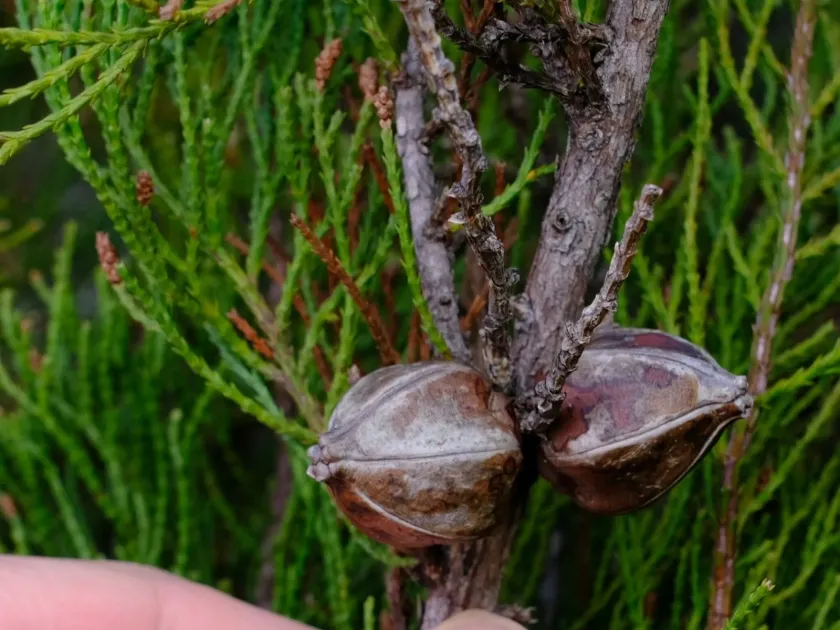
Botanically, it features needle-like leaves arranged in whorls and distinctively shaped cones. Its decorative value lies in its unique architectural form, making it a prized specimen for xeriscaping and botanical garden collections.
Main diseases and pests
The most significant threat to Actinostrobus acuminatus is Phytophthora root rot. This condition is triggered by over-irrigation and poor drainage, which are often fatal to this species due to its sensitivity to soil pathogens.
Pests such as spider mites and scale insects are common adversaries in greenhouse or restricted cultivation environments. These pests thrive in dry conditions and can cause significant foliage damage if left unchecked.
Fungal issues like needle cast can occur if the humidity levels remain too high for extended periods. Ensuring good airflow around the plant is essential to prevent the accumulation of spores on the foliage.
Integrated pest management (IPM) is recommended for this species. This includes regular scouting for symptoms, cleaning tools after pruning, and applying specialized fungicides or acaricides only when strictly necessary.
Maintaining the plant's health through proper site selection and avoiding excessive nitrogen fertilization helps the shrub resist opportunistic pathogens. A well-maintained specimen usually displays strong natural resilience against common nursery pests.