
Camptotheca lowreyana
Camptotheca lowreyana
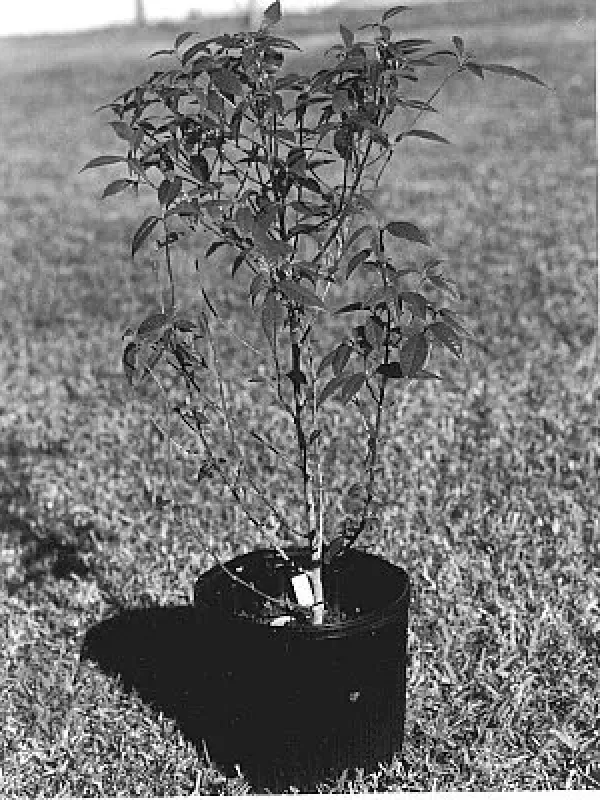
Description
Sowing dates
Propagation of Camptotheca lowreyana is primarily carried out by seed sowing or cutting methods. The seeds require preliminary stratification to increase germination energy, as they have a dense seed coat.
Sowing in nursery or greenhouse conditions is performed in the spring when the soil warms up to 18–22 degrees Celsius. It is crucial to maintain stable substrate moisture until seedling emergence.
When propagating from cuttings, semi-hardwood shoots are used, treated with rooting stimulants. This allows for genetically identical material, which is vital for maintaining high levels of active compounds.
Transplanting seedlings into open ground at a permanent location is performed after the danger of spring frosts has passed. For commercial cultivation, planting patterns are followed to ensure sufficient nutrient area for each tree.
In their first years, young plants need protection from direct exposure to low temperatures and soil desiccation, which is why mulching materials are often used in the tree basins.
Growing requirements
Camptotheca lowreyana, belonging to the Nyssaceae family, is a heat-loving woody crop. Optimal conditions for its growth are regions with a mild subtropical climate and no sharp temperature fluctuations.
The plant has high requirements for soil moisture. The soil should be fertile, well-drained, and have a neutral or slightly acidic reaction, which promotes the active development of the root system.
For successful vegetation, it is necessary to select areas with good sun exposure, protected from cold winds. The crop does not tolerate waterlogging, so low-lying areas with high groundwater levels should be avoided.
Regular irrigation is required during active growth periods, especially in hot summers. Moisture deficiency negatively affects the biosynthesis of camptothecin in plant tissues.
Mineral fertilizers are applied fractionally throughout the growing season, focusing on nitrogen during the active shoot growth phase and potassium-phosphorus compositions before the dormant period.
Yield
The primary agricultural product is the leaf and bark biomass, from which the alkaloid camptothecin is extracted. Yield depends on the age of the plantation and planting density.
The concentration of active compounds in plant tissues varies depending on the time of year. Leaves typically contain the maximum concentration of camptothecin at the end of the intensive growth period.
To ensure stable raw material output, intensive cultivation methods are used, including regular pruning to stimulate the growth of young shoots, which contain higher concentrations of medicinal compounds.
Average biomass yield per hectare can vary significantly depending on the agro-climatic zone and management practices, including irrigation intensity.
Harvest efficiency is determined by the quality of initial raw material processing, which must include rapid drying at controlled temperatures to prevent alkaloid degradation.
Main diseases and pests
The crop is susceptible to certain fungal infections, especially under high air humidity and poor canopy circulation. Prevention involves timely sanitary pruning.
Among pests, leaf-eating insects and sucking parasites such as aphids or spider mites pose the greatest danger, capable of slowing down the growth of young seedlings.
Root rots are a serious threat when irrigation management is improper. Control consists of strictly observing moisture regimes and using fungicides upon the first signs of disease.
It is important to monitor the condition of the plantation for the presence of pests throughout the growing season to prevent mass infestations.
The use of insecticides and fungicides must be strictly limited and regulated, as the raw material is used in the pharmaceutical industry and requires purity from chemical residues.
Harvesting
Leaf harvesting is done manually or mechanically during the full vegetation phase. It is important to avoid damaging the main trunk bark if it is also intended to be harvested as raw material.
Bark harvesting is usually performed during sanitary or rejuvenation pruning of the trees. This requires a careful approach to avoid causing irreparable harm to the plant's health.
After harvesting, the biomass is immediately sent for processing or drying. The quality of raw material depends directly on maintaining the temperature regime during drying—overheating leads to the breakdown of active substances.
Storage of dried plant material is carried out in dry, cool, and well-ventilated rooms, excluding direct sunlight exposure.
On an industrial scale, harvesting may be synchronized with the shift schedule of the processing plant to ensure continuous extract production.