
Bucida molineti
Bucida molineti
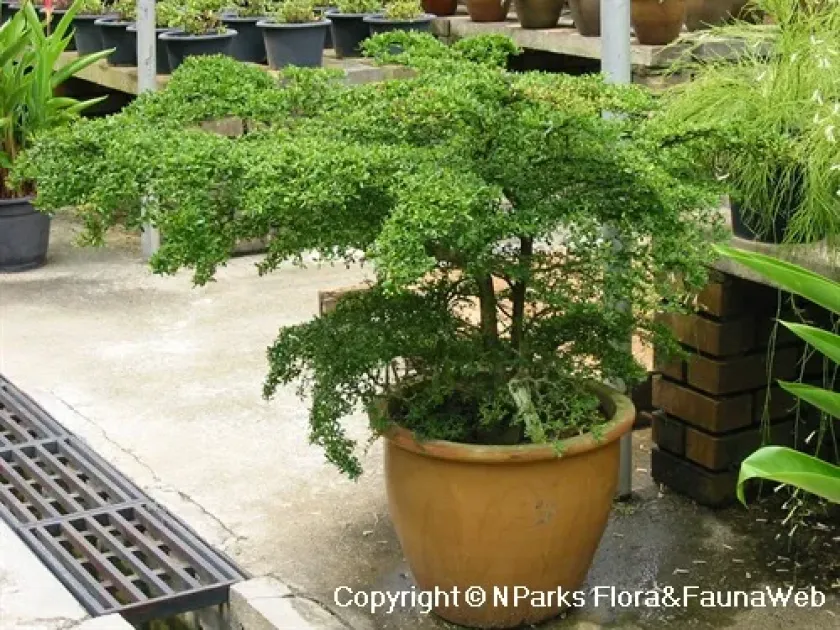
Description
Growing requirements
Bucida molineti, commonly referred to as the black olive tree, is a member of the Combretaceae family. Native to the Caribbean, this species is highly regarded in horticulture for its dense, layered foliage and sculptural growth pattern, making it a staple in tropical landscaping.
This crop requires full sun exposure to thrive and maintain its characteristic compact form. It is highly adaptable to various soil types, provided they are well-draining, as the root system is susceptible to decay if exposed to prolonged waterlogged conditions.
The plant is strictly a tropical species and should be protected from temperatures below 10°C (50°F). In cooler climates, it is cultivated in greenhouses or as a potted plant, requiring consistent moisture and humidity to prevent leaf drop during the winter months.
Agronomic management involves periodic structural pruning, which the plant tolerates exceptionally well. This makes it a preferred species for professional bonsai cultivation, where it is often styled into miniature tree forms that exhibit incredible longevity.
Beyond aesthetics, Bucida molineti serves as an effective windbreak in coastal tropical regions. Its wood is dense and durable, though its primary economic value remains in the nursery trade and landscape architectural projects where a refined, slow-growing canopy is desired.
Main diseases and pests
Spider mites represent a frequent threat, especially in indoor or greenhouse settings with low humidity. Regular misting and the application of neem oil or targeted acaricides are effective control methods for keeping foliage healthy.
Root rot, primarily caused by Phytophthora species, is the most common pathology resulting from overwatering. Strict adherence to irrigation schedules and the use of porous, professional-grade potting mixes are the best defense mechanisms against these soil-borne pathogens.