
Bucida macrostachya
Bucida macrostachya
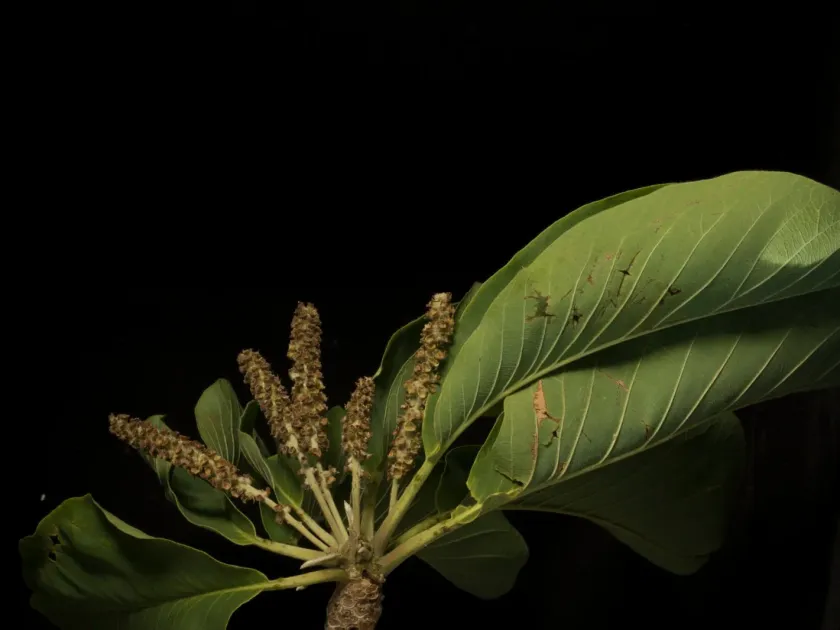
Description
Growing requirements
Bucida macrostachya is a notable species within the Combretaceae family. This tree is characterized by its elegant foliage and is frequently used in tropical landscapes for its structural beauty and ability to provide significant shade.
Originating from the tropical regions of Central and South America, the species thrives in warm climates where thermal stability is maintained throughout the year. It does not tolerate prolonged frost, making it ideal for tropical and subtropical zones.
In terms of soil requirements, this plant demands well-draining substrates to ensure root health. It prefers fertile, loamy soils that can hold moisture without becoming waterlogged, as stagnant water poses a severe risk of root decay.
Full sun exposure is essential for the healthy growth and aesthetic development of the canopy. When exposed to optimal light levels, the tree maintains a dense structure and develops robust branches, which are critical for its architectural value.
The tree serves various economic and ecological roles, ranging from street planting and park design to serving as a windbreak. Its timber is also recognized for its durability, reflecting the plant's overall resilience in appropriate habitats.
Main diseases and pests
The species is primarily susceptible to fungal pathogens that thrive in high-humidity environments. Without proper ventilation within the canopy, foliage can become prone to spot diseases, which eventually hinder the tree's photosynthetic efficiency.
Pest issues often involve sap-sucking insects like scales and aphids. These pests frequently target the tender new growth during the spring and summer months, potentially causing stunting and inviting secondary infections in damaged tissues.
Integrated Pest Management (IPM) is recommended for maintaining healthy stands. This includes monitoring for early signs of infestation and applying targeted organic or chemical treatments only when threshold levels of pest density are reached.
Pruning is a vital practice for preventing disease outbreaks. By thinning out crowded branches, gardeners can ensure better airflow and light penetration, effectively creating an environment that is less hospitable to fungal growth.
Proper nutrient management also plays a part in resistance. Maintaining a balanced fertility program ensures the tree has the physiological strength to recover quickly from minor environmental stresses or localized pest damage.