
Zeyheria digitalis
Zeyheria digitalis
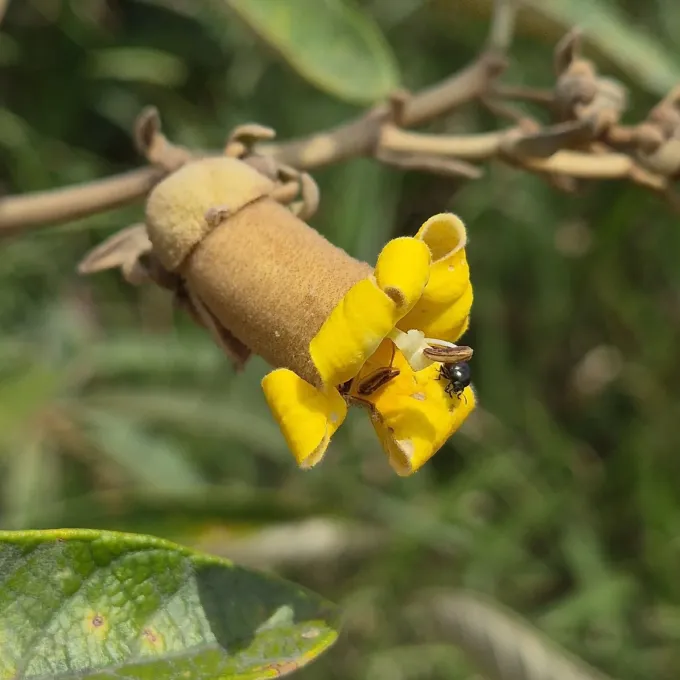
Description
Growing requirements
Zeyheria digitalis is a prominent member of the Bignoniaceae family. This tropical tree species is known for its distinct botanical structure and its significant ecological role in the rainforests of South America.
Native to Brazil, this plant thrives in environments characterized by high humidity and consistent tropical temperatures. It is primarily found in diverse forest ecosystems where it competes for canopy space and nutrient resources.
The cultivation of Zeyheria digitalis requires deep, well-drained soils rich in organic matter. Optimal soil pH levels should be maintained in the slightly acidic to neutral range to ensure maximum nutrient availability for the tree's deep root system.
Climate requirements are strict regarding frost sensitivity. The plant demands warm conditions throughout the year and is best suited for regions that do not experience drastic seasonal temperature drops, as it can be easily damaged by frost.
Economically, the species is valued for its wood production, as it grows durable timber. Furthermore, its aesthetic potential is increasingly recognized in sustainable landscaping and reforestation projects across tropical regions.
Main diseases and pests
Fungal infections are the most common threats, especially in high-moisture environments. Poor air circulation within the tree canopy can exacerbate the spread of mildew and rot, necessitating regular pruning and thinning.
Pests such as scale insects and aphids often target young saplings. Integrated pest management strategies, including the introduction of natural predators or targeted organic treatments, are essential for maintaining plant health.
Root pathogens represent a significant risk, particularly in sites prone to waterlogging. Ensuring proper soil drainage is the most effective preventative measure against these systemic biological threats.
Environmental stress caused by nutrient deficiency can lead to secondary infections. Regular fertilization using balanced organic amendments helps the tree maintain a strong immune system against common regional pests.
Long-term sustainability is threatened by habitat loss. Effective agricultural practices must include protecting the genetic diversity of the species to ensure resistance against emerging diseases and environmental changes.