
Stereospermum euphorioides
Stereospermum euphorioides DC.
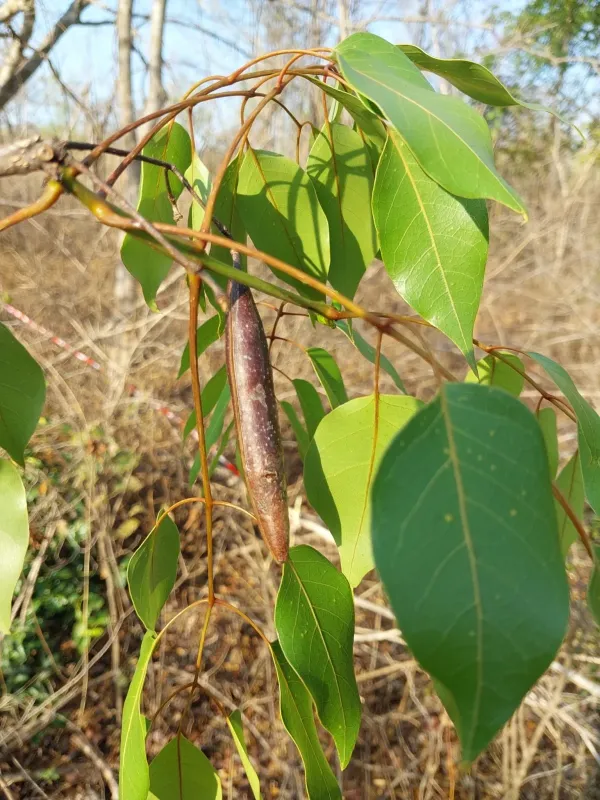
Description
Growing requirements
Stereospermum euphorioides belongs to the Bignoniaceae family. It is a robust tree species native to tropical regions, typically found in ecosystems characterized by high humidity and consistent warmth throughout the year.
The cultivation of this species requires well-drained, fertile soil that provides adequate nutrients while preventing waterlogging, which can be detrimental to root health. The trees exhibit high light demands, thriving in open tropical forest settings.
Climatic requirements are strict: the species demands tropical temperatures and cannot survive frost. Consistent moisture levels are vital during the growing phase to ensure that the biomass develops at a commercial rate.
Botanically, the tree features compound leaves and characteristic tubular flowers typical of the Bignoniaceae family. The trunk grows to a significant height, and the wood possesses structural properties that are useful in various local applications.
Host use is primarily focused on timber production, as the wood is recognized for its durability and resistance to biological decay in native environments. It also serves as an important component in forest conservation programs.
Main diseases and pests
Common threats include fungal pathogens that exploit the high humidity of the tropical environment to colonize the tree, potentially affecting the quality of the timber if left unchecked.
Pests such as wood-boring insects and foliage-feeders pose a risk to younger trees, often stunting growth and reducing the overall health of the forest stand.
Disease management strategies involve regular sanitation of the area, removal of infected branches, and maintaining optimal spacing to ensure airflow, which naturally reduces fungal prevalence.
Monitoring for pest activity is essential, especially during the peak growth seasons, to prevent infestations that could impact the long-term profitability of the forestry operation.
Implementing integrated forest management practices is crucial to mitigating these biological threats and sustaining high productivity across the plantation lifecycle.