
Memora peregrina
Memora peregrina
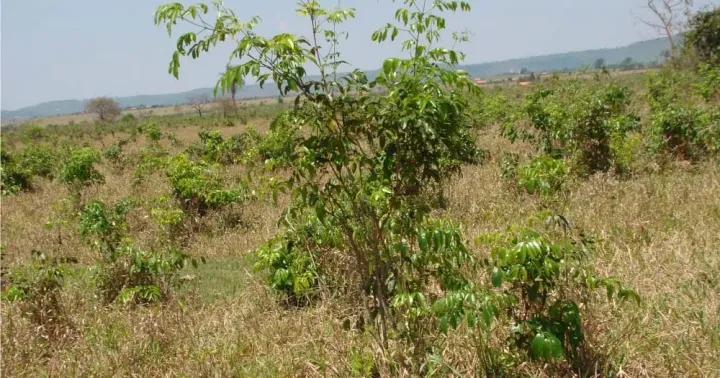
Description
Growing requirements
Memora peregrina is a perennial woody vine belonging to the Bignoniaceae family. Originating from the tropical landscapes of South and Central America, this plant is well-adapted to high-humidity environments and thrives in areas with consistent light exposure.
The botanical structure of this species includes twining stems that demonstrate significant vigor, requiring robust trellis systems or natural supports to reach its full vegetative potential. The leaves are typically opposite, and the plant produces distinctive trumpet-shaped flowers typical of the family.
Regarding climate, Memora peregrina is highly sensitive to cold stress and frost. It requires a stable, warm environment where temperatures consistently remain above the tropical threshold, making it suitable for regions with a year-round warm climate or controlled greenhouse environments.
The soil requirements focus on fertility and drainage. The plant prefers loamy, organic-rich soils that allow for rapid root development while preventing waterlogging. Proper aeration of the growing medium is essential to prevent root diseases associated with anaerobic conditions.
Cultivation practices involve regular irrigation management and balanced nutrition, particularly during the peak growth season. Maintenance includes pruning to manage the density of the vine, ensuring that sunlight penetrates the canopy, which encourages healthier growth and overall plant vigor.