
Eccremocarpus scaber
Eccremocarpus scaber Ruiz & Pav.
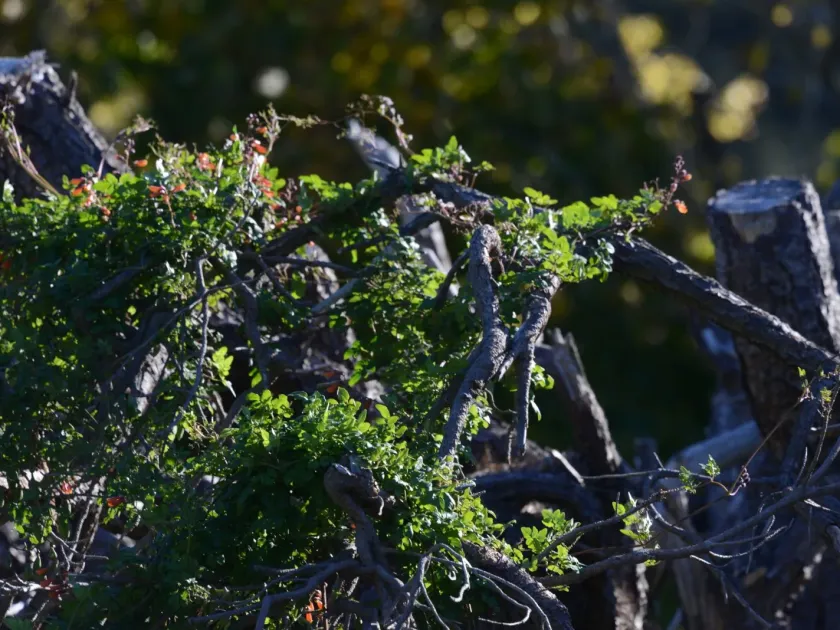
Description
Sowing dates
Sowing seeds of Eccremocarpus scaber should be initiated in late winter or early spring, specifically during February or March, to ensure a strong start for the season.
Use a well-draining, lightweight potting mix for sowing and maintain temperatures around 18–22 degrees Celsius to promote uniform and healthy germination.
Once the seedlings develop their first set of true leaves, they should be pricked out into individual pots to encourage individual root system development.
Transplanting into the permanent garden site must only occur after the risk of frost has passed, which typically happens towards the end of spring.
Gradual acclimatization, or hardening off, over a period of 10 to 14 days is essential to help the plants adapt to outdoor environmental fluctuations.
Growing requirements
Eccremocarpus scaber is a member of the Bignoniaceae family, native to the mountainous regions of Chile, and is widely valued as a vigorous ornamental climber.
This species requires a sunny, sheltered location as its stems are relatively fragile and need sturdy support to climb effectively in a garden setting.
A fertile, well-draining soil with a neutral or slightly acidic pH is ideal, as the plant is highly susceptible to root damage caused by waterlogged conditions.
Regular watering is necessary during the active growing season, although moisture levels should be reduced significantly during the winter dormancy period.
Applying a balanced liquid fertilizer rich in potassium and phosphorus during the growth cycle will encourage long-lasting and vibrant flowering.
Main diseases and pests
Common indoor and greenhouse pests, particularly aphids, can frequently infest the young, tender shoots of the vine, weakening the overall plant vitality.
Spider mites represent a major threat during periods of hot, dry weather, potentially causing significant foliage chlorosis if not managed in a timely manner.
Fungal diseases, including various forms of root rot and powdery mildew, are typically triggered by poor air circulation and excessive moisture in the substrate.
Effective management includes maintaining proper distance between plants and ensuring that the foliage stays dry during the evening irrigation hours.
- Regular monitoring for early signs of pest activity.
- Pruning back diseased or dead stems to prevent spread.
- Using appropriate fungicides for fungal disease outbreaks.