
Amphilophium oxylophium
Amphilophium oxylophium
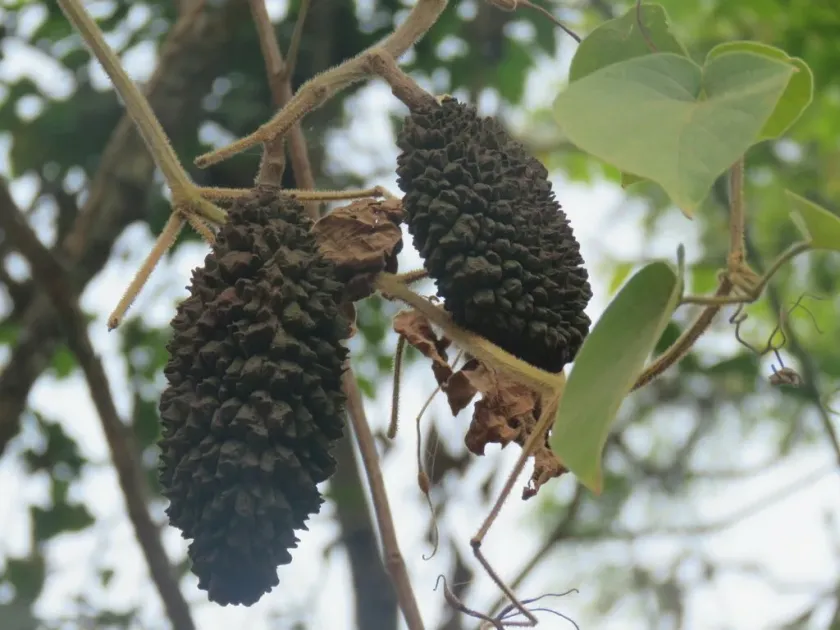
Description
Growing requirements
Amphilophium oxylophium is a vigorous perennial woody vine belonging to the Bignoniaceae family. Native to the tropical ecosystems of South America, this plant is well-adapted to high humidity and stable, warm environmental conditions.
The plant thrives in nutrient-rich, well-draining soils. Proper drainage is critical for this species, as its root system is prone to damage if exposed to prolonged waterlogging or anaerobic soil conditions.
Optimal growth is achieved in sunny locations with partial protection from intense afternoon heat. It requires a stable ambient temperature range of 22 to 28 degrees Celsius to maintain healthy vegetative development throughout the growing season.
As a climbing vine, Amphilophium oxylophium relies on tendrils to secure itself to vertical structures. Growers should provide sturdy trellises or supports early in the planting phase to ensure the vines can climb effectively without structural damage.
Regular fertilization with balanced NPK formulas is recommended to support its rapid growth rate. Adequate space is essential, as the plant can achieve significant vertical expansion, making it ideal for large-scale landscaping or botanical gardens.
Main diseases and pests
Common pests such as spider mites and scale insects can affect the plant, especially in drier indoor environments or during periods of low air circulation. Early intervention with insecticidal soaps or neem oil is usually effective.
Fungal diseases like powdery mildew may appear if the foliage remains wet for extended periods in stagnant air. Ensuring good airflow around the climbing vines is a crucial preventative measure for overall plant health.
Root rot, often caused by overwatering or poor soil drainage, represents a significant threat to the longevity of the plant. Monitoring soil moisture levels and avoiding water accumulation in the root zone is mandatory for successful cultivation.
Occasional outbreaks of leaf-eating larvae may occur, necessitating regular monitoring and integrated pest management practices. Keeping the area around the base of the plant clear of debris helps reduce potential hiding spots for pests.
In regions with fluctuating temperatures, cold snaps can lead to chlorosis or leaf drop. Protecting the root zone with organic mulch can help stabilize soil temperatures and improve the vine's resilience against seasonal stress.