
Alniphyllum pterospermum
Alniphyllum pterospermum
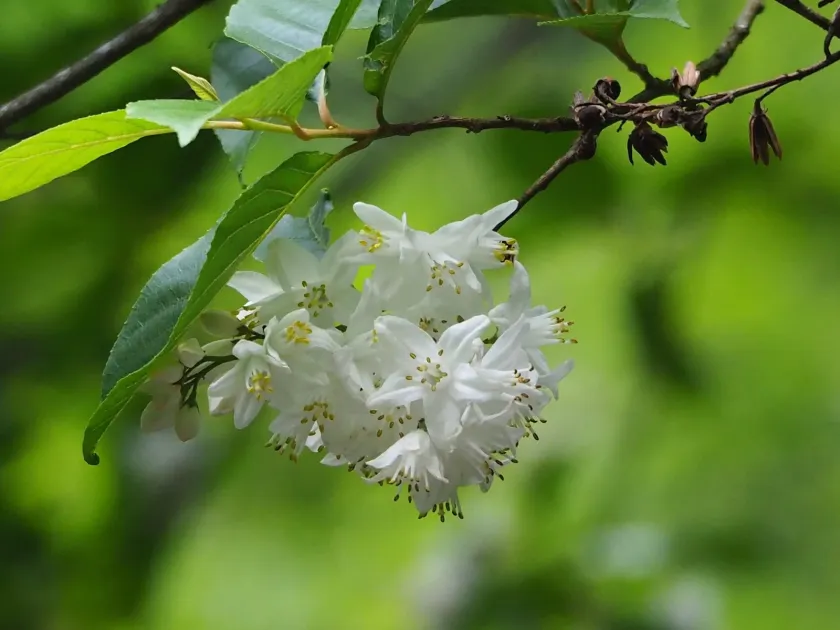
Description
Sowing dates
Alniphyllum pterospermum is a distinct deciduous tree belonging to the Styracaceae family. Propagation primarily involves seed sowing, which necessitates specific stratification techniques to break dormancy and ensure high germination rates.
Nursery sowing should be conducted in well-prepared, loose, and fertile media. Proper moisture management during the germination phase is critical, as seeds are sensitive to both drought and excessive waterlogging in their early stages.
Seedlings exhibit a slow growth rate initially, requiring careful attention and monitoring by nursery staff. Providing partial shade during the first two seasons helps protect young plants from heat stress and desiccation.
The optimal time for sowing is early spring, once the danger of severe frost has passed. Selecting high-quality seeds from mature fruits is essential for ensuring the vigor and health of the young trees.
Transplanting into the permanent location should be handled with care to minimize root disturbance. Proper spacing is mandatory to ensure adequate airflow and sunlight penetration as the tree matures into its canopy form.
Growing requirements
This species thrives in moist, fertile, and well-drained forest soils with a slightly acidic to neutral pH. Avoiding poorly drained sites is essential, as water stagnation often leads to root rot in this specific genus.
Climatic requirements focus on mild, temperate environments with protection from strong, desiccating winds. The tree performs best in regions where extreme temperature fluctuations are minimized, particularly during the dormant season.
Light requirements are best met in partial shade or areas with filtered sunlight. Direct exposure to intense, midday sun can cause leaf scorch in younger or stressed specimens, so site selection should prioritize dappled light conditions.
Maintenance includes consistent moisture levels, especially during summer months. Applying organic mulch around the base of the tree helps maintain soil moisture, suppresses weeds, and improves the overall nutrient profile of the soil.
Fertilization with balanced, slow-release fertilizers should be applied in early spring. It is advisable to avoid high-nitrogen feeds late in the season to prevent tender new growth that might be killed by early autumn frosts.
Yield
The primary utility of Alniphyllum pterospermum is in ornamental horticulture and botanical gardens. Its elegant stature and attractive seasonal display make it a desirable specimen for high-end landscape design.
The tree serves as an excellent focal point in gardens, particularly when grouped with other forest-dwelling species. Its aesthetic value is derived from its unique leaf structure and delicate, pendulous flowering displays.
While not a major industrial timber species, its ecological value in supporting local biodiversity and contributing to landscape stability is noteworthy. It is often preserved in regions where it is native for conservation purposes.
Regular sanitation pruning is recommended to maintain the tree's health and aesthetic shape. Removing dead or overlapping branches improves airflow within the crown, reducing the risk of pest and disease infestation.
Seed yield from mature specimens is sufficient for nursery propagation if managed correctly. Harvesting fruits at the right stage of maturity ensures that the seeds possess maximum viability for the subsequent growing season.
Main diseases and pests
The most significant threats to this species include fungal root pathogens, which are often exacerbated by poor drainage and excessive moisture. Monitoring soil health and drainage efficiency is the primary defense against such threats.
Insect pests, including aphids and leaf-eating beetles, may damage foliage during the warmer months. Integrated pest management strategies, focusing on biological controls where possible, are effective in maintaining leaf health.
Winter damage is a common concern for young trees, particularly regarding frost cracks or cold-induced limb dieback. Providing protective wraps for the trunk can help mitigate these seasonal environmental hazards.
Mechanical damage from wind, snow loading, or maintenance activities can create entry points for secondary infections. Promptly treating any bark or stem wounds with appropriate protective sealants is recommended.
- Phytophthora root rot
- Aphid infestations
- Leaf chlorosis due to micronutrient deficiency
- Frost damage on young stems
- Rodent damage to bark during winter