
Alniphyllum hainanense
Alniphyllum hainanense
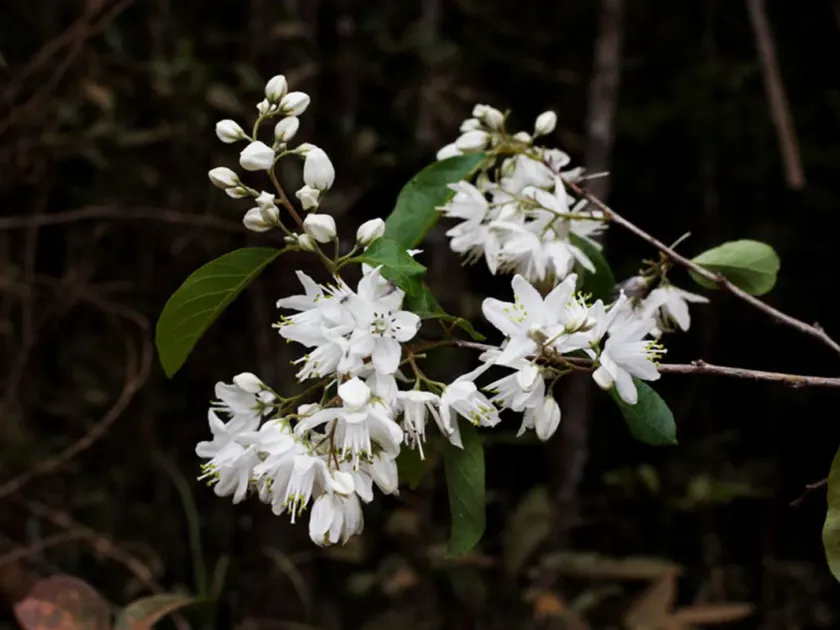
Description
Growing requirements
Alniphyllum hainanense is a distinctive deciduous tree species belonging to the Styracaceae family. It is primarily indigenous to the Hainan province of China, where it plays a significant role in the local forest ecosystem as an endemic species.
This species thrives in tropical and subtropical climates characterized by high annual precipitation and consistently warm temperatures. Successful cultivation requires environmental conditions that mimic the humid forest understories of its native habitat.
Regarding soil, the species prefers deep, well-draining, and nutrient-rich substrates. It is sensitive to waterlogging, necessitating the selection of slopes or well-prepared sites with excellent drainage systems to maintain root health.
Agricultural management of this crop involves long-term planning, focusing on the initial establishment phase. During the first few years, young trees require consistent monitoring of soil moisture and protection from excessive direct solar radiation.
Economically, Alniphyllum hainanense is valued for its high-quality wood, which is utilized in fine furniture production and architectural woodwork. Its potential for use in reforestation and sustainable forestry programs continues to be a subject of interest.
Main diseases and pests
Root rot caused by fungal pathogens is a primary concern in industrial plantations, particularly if the drainage requirements are not strictly met. Excessive soil moisture often serves as a catalyst for these devastating infections.
Leaf-eating insects and boring beetles are the most common pests reported for this species. These organisms can severely stunt growth and reduce the quality of the timber if left unmanaged during the early developmental stages.
Mechanical damage to the trunk often creates open wounds that serve as entry points for decay-causing fungi. Using protective barriers during maintenance activities is essential to preserve the structural integrity of the trees.
Environmental stress, including unexpected shifts in humidity or soil nutrient deficiencies, can weaken the tree's natural defense systems. Maintaining balanced fertilization programs is crucial for enhancing overall plant vitality.
Integrated pest management strategies are recommended, emphasizing the use of biological controls to keep harmful insect populations below the economic injury level while protecting the surrounding ecosystem.